Song Meaning
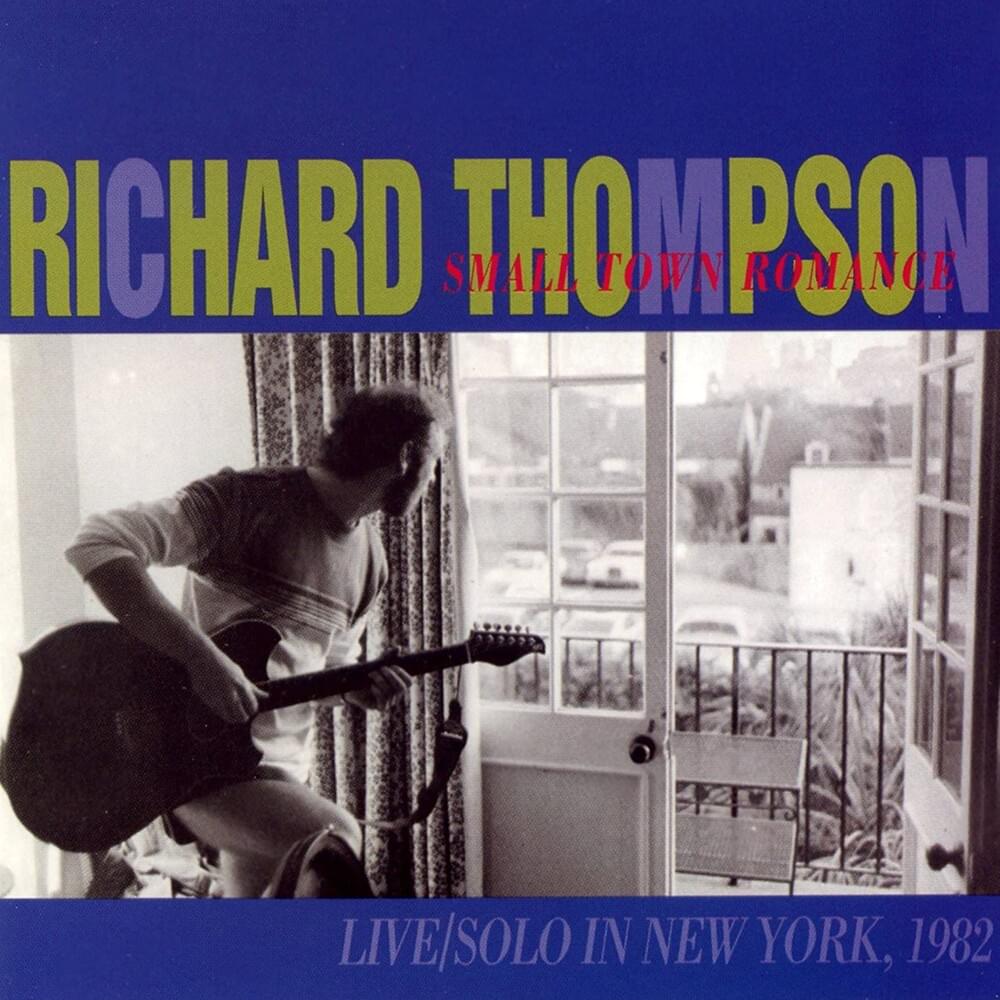
Richard Thompson's live performance of "Never Again" (1982) is more than just a farewell; it’s a bleak meditation on loss, memory, and the cyclical nature of despair. The opening, framed as a casual sign-off ("Well gang, looks like this is the last one"), belies the profound sense of finality that permeates the song's core. It's a theatrical exit, a staged goodbye that hints at deeper, unacknowledged wounds. The seemingly simple question, "O who will remember, o who will be sure / And still feel the silence as close as before?", isn’t a longing for remembrance, but a recognition that even memories fade, and the intensity of past experiences diminishes with time. The silence, then, becomes a metaphor for the erasure of feeling, a psychic numbing that follows trauma. Thompson isn’t asking if anyone *will* remember; he's lamenting the inevitability that they *won’t* with the same visceral ache. This is a psychological observation, not a sentimental plea.
The lyrics hint at a world fractured by division and haunted by unspoken sorrows. The line, "The time for dividing and no one will speak / Of the sadness of hiding and the softness of sleep", suggests a breakdown in communication, a retreat into isolation as a defense mechanism against further pain. The "softness of sleep" isn't presented as a comfort, but rather as an escape, a temporary reprieve from a reality too harsh to bear. This emphasizes the psychological weight of repressed emotions and the allure of oblivion. The repeated refrain, "O never, o never, o never again", acts as a haunting mantra, reinforcing the sense of hopelessness. It's not just about a single event that will never happen again; it’s a broader acknowledgement that a certain quality of experience – perhaps innocence, joy, or connection – is irretrievably lost.
Thompson’s use of imagery, particularly in the third verse, further deepens the song's sense of melancholy. The "old man" weighed down by "trinkets" and "garlands" can be interpreted as a representation of the self, burdened by the accumulated baggage of the past. The trinkets and garlands, once symbols of celebration and achievement, have become reminders of what has been lost, transformed into objects of sorrow. The final lines, "For the salt tears of lovers and the whispers of friends / Come never, o never, o never again", underscore the theme of relational loss. Love and friendship, the very foundations of human connection, are presented as casualties of time and circumstance. In essence, "Never Again" is a complex exploration of the psychological impact of loss, a somber reflection on the impermanence of memory, and the enduring power of grief.
 View Artist