Song Meaning
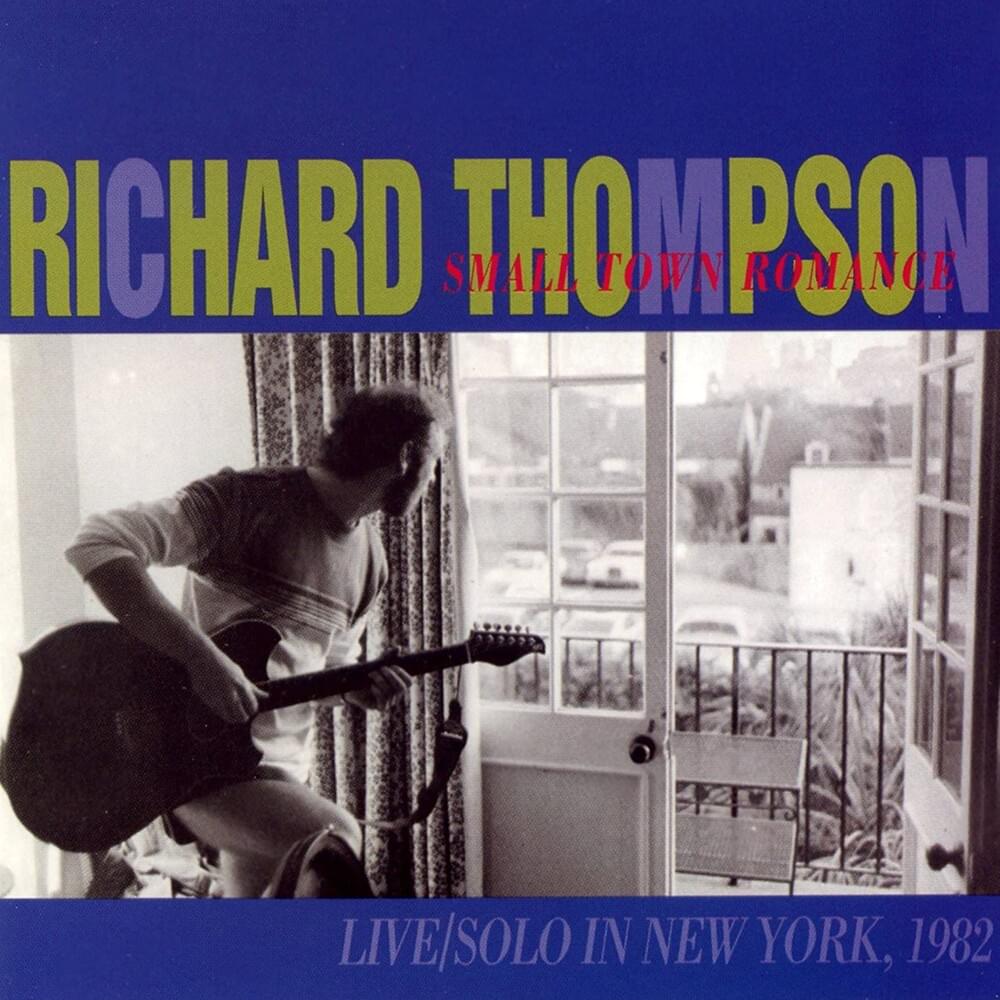
Richard Thompson's live rendition of "For Shame of Doing Wrong" is a masterclass in regret, a raw and aching confession delivered with the kind of understated intensity that Thompson has perfected. The song's meaning hinges on the speaker's acute awareness of his past transgressions, not just the act itself, but the enduring weight of its consequences. He’s not simply sorry; he’s consumed by the contrast between his present state of isolation and the idyllic image of lovers he observes. The opening lines establish a chasm of time and distance, a separation so profound it feels like "a lifetime." This isn't just about physical absence; it's about a fundamental rift in the relationship, a wound that continues to fester.
The imagery of spinning bus wheels and singing songbirds, typically associated with freedom and joy, here serves only to amplify the speaker's internal torment. They are external reminders of a happiness he can no longer access, a life he's forfeited through his own actions. The yearning for "old remembered days" isn't just nostalgia; it's a desperate plea to rewind time, to undo the choices that led to his current state. He's trapped in a cycle of remorse, haunted by the "things I've said, the things I've done." The self-identification as a "restless thief" suggests a pattern of behavior, a habitual taking without regard for the emotional cost.
The chorus, with its repeated lament, "I wish I was a fool for you again," is the heart of the song's emotional core. It's a yearning to return to a state of blissful naiveté, a time before the knowledge of wrongdoing corrupted the relationship. Being a "fool" in this context isn't about stupidity; it's about innocence, about the willingness to surrender oneself completely to love without the burden of guilt or the fear of betrayal. Ultimately, "For Shame of Doing Wrong" explores the psychological toll of regret, the way past actions can haunt the present and shape the future. It’s a stark reminder that some wounds, especially those self-inflicted, may never fully heal, leaving only the aching desire for a second chance.
 View Artist