Song Meaning
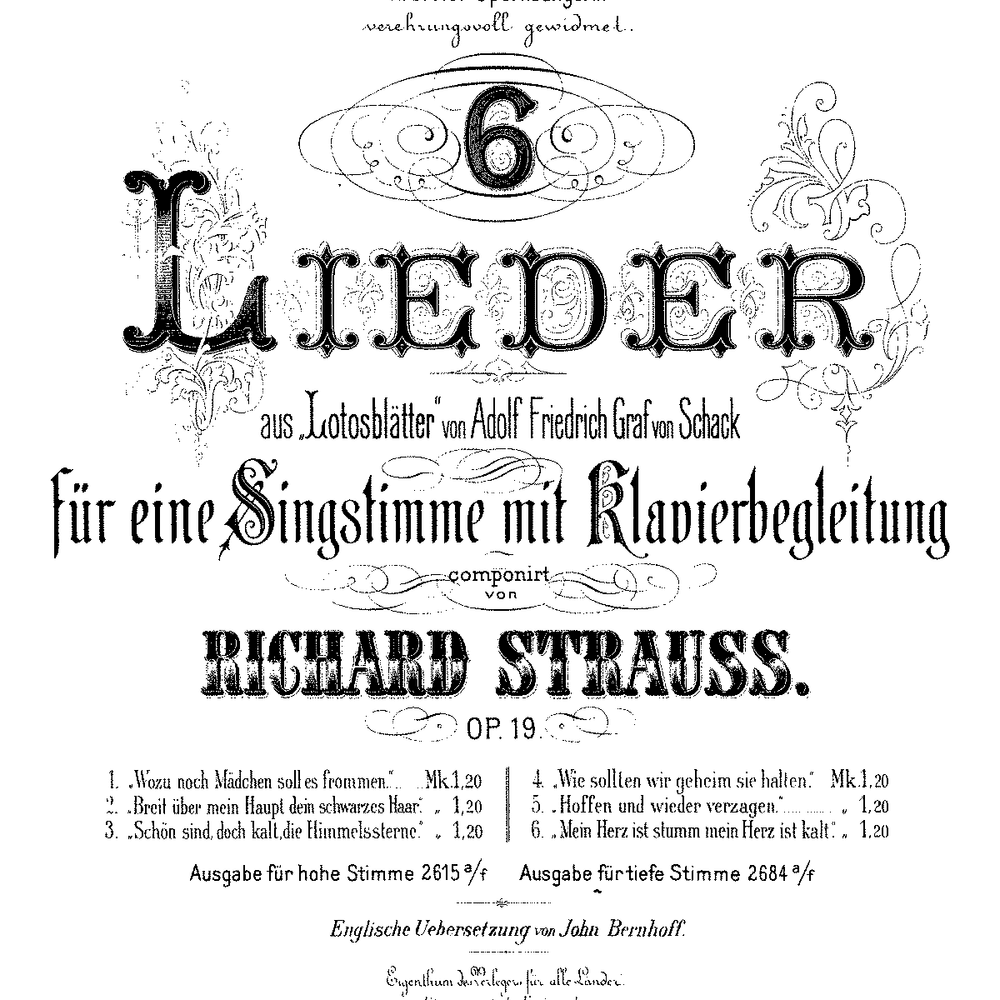
This German lyric paints a picture of a lover urging their beloved to drop all pretense. The narrator directly addresses the "Mädchen" (girl), questioning the point of her "Verstellung" (pretense or deception) and encouraging her to "Heiß froh das neue Glück willkommen" (joyfully welcome the new happiness) and openly declare her love. It's a plea for authenticity in the face of burgeoning affection.
The central tension lies between the girl's apparent hesitation or hidden feelings and the narrator's confident, almost playful, insistence that her true emotions are already evident. The narrator observes the physical manifestations of her affection – the "höherm Schwellen" (higher swelling) of her chest and the "Wangenrot" (blushing cheeks) – as undeniable proof that her heart is already engaged. This creates a dynamic where the narrator sees through the girl's outward composure, highlighting the futility of her attempts to conceal her love.
The lyrics employ a charming personification of nature as witnesses to her secret. "Den Blumengeistern" (the flower spirits) and the "Wogen" (waves) and "Abendwind" (evening wind) are described as having long ago "erspäht" (spied out) her secret. The waves murmur and the wind whispers, all aware of her feelings. This elevates her internal state to something the natural world itself acknowledges, making her pretense seem even more out of place and ultimately, futile.
This piece is effective because it captures a moment of tender, knowing intimacy. The narrator isn't accusatory but rather gently insistent, using the very signs of her hidden feelings to persuade her to embrace them openly. The imagery of nature as a collective, knowing entity adds a touch of poetic charm, suggesting that true feelings are as natural and undeniable as the elements themselves, making the call for honesty feel both personal and universally understood.
 View Artist