Song Meaning
This song paints a stark picture of impending separation, with the narrator vowing to return despite the vast distance. The initial lines establish a promise of reunion, but the chorus immediately introduces a dramatic, almost cosmic scale of consequence for infidelity. It’s a powerful declaration of loyalty, framing the potential for betrayal not just as a personal failing, but as an event that could unravel the very fabric of existence.
The central tension lies between the narrator's departure and the absolute certainty of their return, contingent on unwavering fidelity. The questions posed in the second verse – “who will dress your pretty little feet / And who will glove your hands” – highlight the intimate acts of care the narrator provides, emphasizing what will be lost. This vulnerability is met with a reassuring response in the third verse, where parental figures step in, but the ultimate comfort is still tied to the narrator's eventual return.
The most striking element is the hyperbole used to underscore the narrator's commitment. The idea that “the heavens may cease to be” or “this world may lose its motion” if they are unfaithful elevates the promise beyond a simple vow. This cosmic imagery, juxtaposed with the tender, personal details of dressing feet and kissing cheeks, creates a profound sense of the stakes involved. The comparison to “mournful doves / Mourning for their own true love” further solidifies this emotional weight, drawing a parallel between the narrator's longing and the natural world's expressions of loss.
Ultimately, the lyrics resonate because they tap into the universal fear of abandonment and the deep desire for steadfast love. The writing masterfully uses grand, almost apocalyptic imagery to emphasize the sincerity of a personal promise. It’s this blend of the intimate and the immense, the personal vow set against the backdrop of a potentially collapsing universe, that makes the narrator's declaration so potent and memorable.
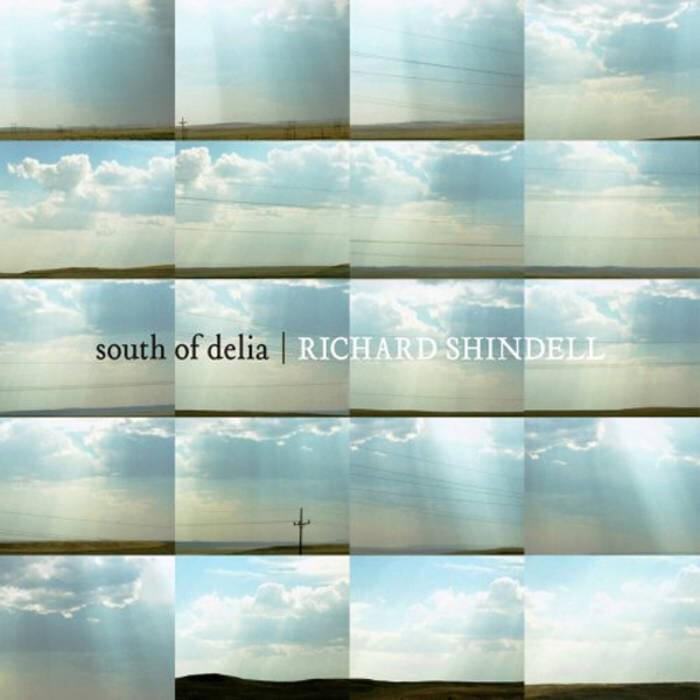
 View Artist