Song Meaning
The lyrics paint a poignant portrait of remembrance, focusing on a specific person whose absence is deeply felt. The opening lines establish a sense of gratitude, attributing the presence of books and the piano to this individual, suggesting they fostered a love for culture and learning. This foundation is contrasted with a later depiction of hardship: "Manquer d'argent / Manquer de temps," hinting at struggles the person faced, perhaps while diligently writing their thoughts in a notebook. The imagery of "La rivière des Prairies," "la terre et ton cheval," and the "saisons d'abandon" grounds the memory in a specific, perhaps rural, landscape, evoking a sense of time passing and a life lived with both beauty and difficulty.
The central tension arises from the profound sense of loss, articulated most directly in the repeated refrain: "C'est ta voix qui me manque / T'entendre parler de toi." This isn't just a general longing for a lost loved one, but a specific yearning for their voice, their stories, their very presence in conversation. The narrator seems to be revisiting places and memories, finding echoes of the person in the natural world – "Les arbres et le vent / Savaient tout de toi." This personification suggests an intimate connection between the individual and their surroundings, as if nature itself holds their secrets and witnessed their struggles, particularly the "froidures / Qui t'ont fait la vie dure."
The most striking craft element is the way the lyrics weave together tangible memories with abstract emotional states. The narrator observes the physical manifestations of the person's giving nature: "J'ai vu tes mains nouées / Tout ce qu'elles ont donné / J'ai vu tes bras ouverts / Pour nos peines et nos joies." These concrete images of hands and arms, tied to the abstract concepts of giving, pain, and joy, powerfully convey the depth of their impact. The mention of "fleurs d'Émily" and "ses poèmes" also suggests a shared appreciation for art and literature, further solidifying the intellectual and emotional legacy this person left behind, even as they are now in "Terres lointaines et vastes plaines."
Ultimately, these lyrics resonate because they capture the specific, granular details of a cherished memory while acknowledging the broader sweep of a life's challenges and enduring spirit. The focus on the voice, the hands, the shared appreciation for poetry, and the connection to the land creates a vivid and deeply personal sense of absence. The narrator is not just mourning a loss, but actively reconstructing and cherishing the essence of the person, finding their presence in the quiet whispers of nature and the enduring impact of their life.
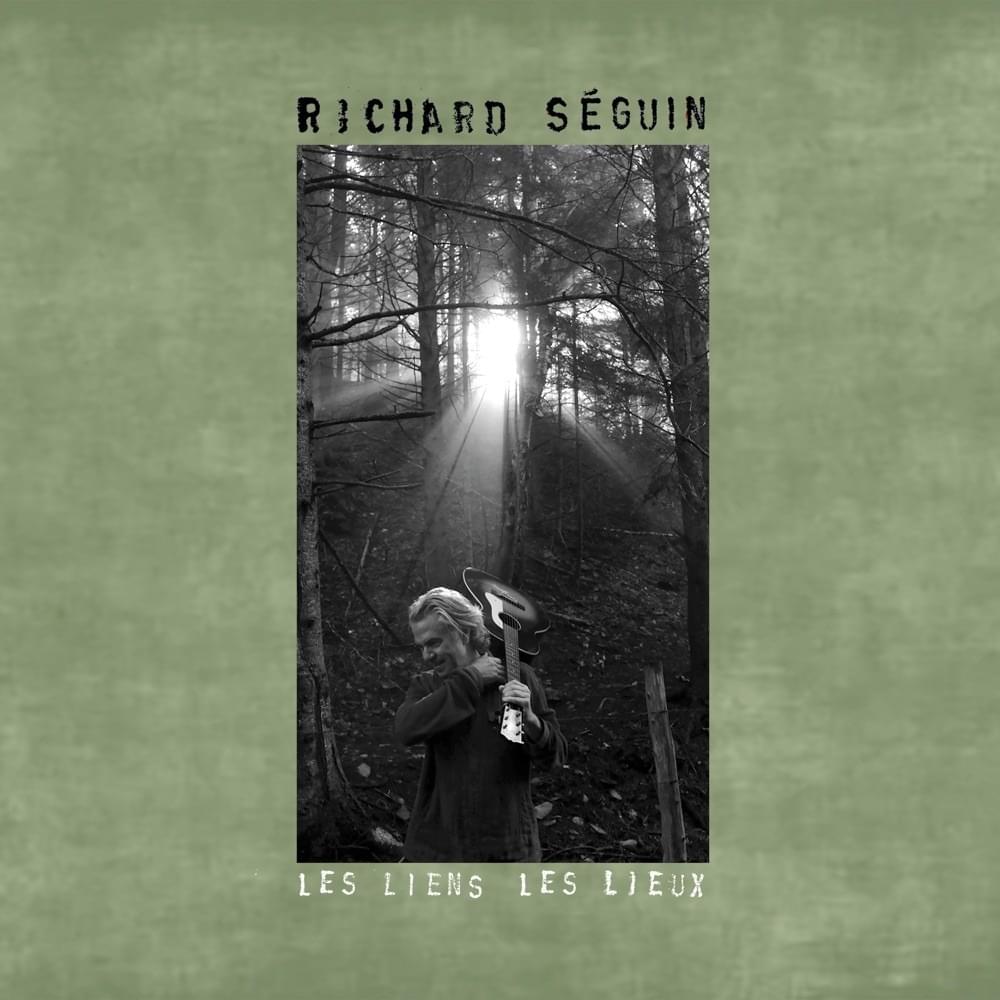
 View Artist