Song Meaning
The lyrics paint a stark portrait of an individual facing hardship in a foreign land, likely America, as suggested by the title "Journée d’Amérique." The opening lines immediately establish a sense of coldness and brokenness, with the narrator "sans diplôme, sans papier" (without diploma, without papers) seeking "un peu d'azur" (a bit of blue sky) while blending into the crowd or waiting in line. This sets a tone of quiet desperation and yearning for something better, a recurring theme throughout the song.
The core of the song lies in the stark contrast between the harsh reality of the narrator's present and the vibrant dreams they hold. The repeated phrase "Journée d'Amérique" is juxtaposed with "Journée de silence," "Journée d'impatience," and "Journée sans travail," highlighting the unfulfilled promises and the daily struggle. The narrator's "rêves qui brûlent" (dreams that burn) in their chest are a powerful image of internal hope clashing with external circumstances, fueled by a desperate need for money and a lottery ticket.
The writing masterfully uses repetition and contrasting imagery to convey the emotional weight of this experience. The cyclical nature of the days is emphasized by the recurring "Journée d'Amérique," which becomes synonymous with "Journée de soupir" (day of sigh) and "Journée de désir" (day of desire). The brief fantasy of winning the lottery and providing for loved ones, complete with "une retraite au soleil" (a retirement in the sun), is abruptly shattered by "y s' réveille" (he wakes up), underscoring the fragile and often elusive nature of these aspirations.
Ultimately, these lyrics resonate because they capture the raw, unvarnished experience of striving against overwhelming odds. The narrator's efforts, described as "Travail au noir" (underground work) and "vingt-quatre heures de combat" (twenty-four hours of combat), are presented with a quiet dignity. The song doesn't offer easy answers but instead focuses on the persistent, albeit weary, spirit of someone doing "c' qu'y peut" (what he can) and "d' son mieux" (his best) in the face of anonymity and constant struggle.
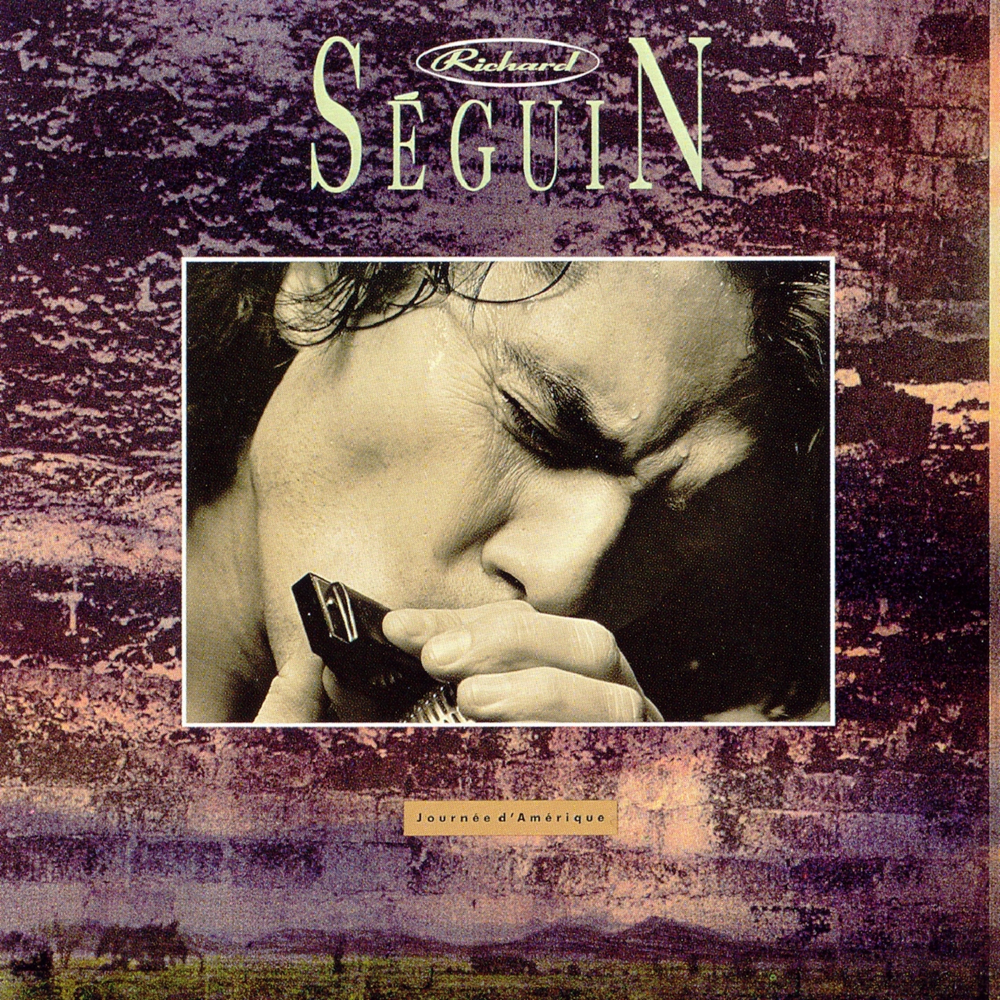
 View Artist