Song Meaning
This song paints a picture of a gentle, almost ethereal departure and a hopeful return. The opening lines set a tone of delicate transience, comparing the narrator's presence to a fleeting touch in the wind or a hidden tear. There's a sense of time passing, of enduring a difficult period, described as "l'hiver" (winter), which is framed as a "tache nécessaire" (necessary stain) on the "cahier blanc de nos amours" (white notebook of our loves). This suggests that even painful experiences are part of the story, a mark on a clean slate that allows for future growth.
The central tension lies in the contrast between the past hardship and the anticipated future joy. The narrator expresses a clear intention to return "Au premier jour du printemps" (On the first day of spring), signaling a renewal and a fresh start. This return is not solitary; it promises shared experiences, "rien que pour nous" (just for us), marked by the visual of a "cerf-volant" (kite) and "tendresse dans les rues de la ville" (tenderness in the city streets). The desire to forget the "mauvais temps" (bad weather) is palpable, replaced by an abundance of "soleil partout" (sunshine everywhere).
The lyrics masterfully employ natural imagery to convey emotional states. The initial comparisons to a "caresse dans le vent" and "larme au fond de l'eau" establish a fragile, almost imperceptible presence. This fragility is mirrored in the eventual return, which is associated with the vibrant, hopeful imagery of spring, kites, and sunshine. The repetition of the opening phrases at the end brings the narrative full circle, reinforcing the cyclical nature of hardship and renewal, and the enduring, though sometimes hidden, presence of affection.
Ultimately, the song's effectiveness stems from its delicate portrayal of emotional resilience. It acknowledges the pain of past winters and necessary stains but firmly anchors itself in the promise of a brighter, shared future. The simple, evocative language and the gentle rhythm, underscored by the "La la la" refrain, create a feeling of quiet optimism and the enduring possibility of tenderness, even after difficult times.
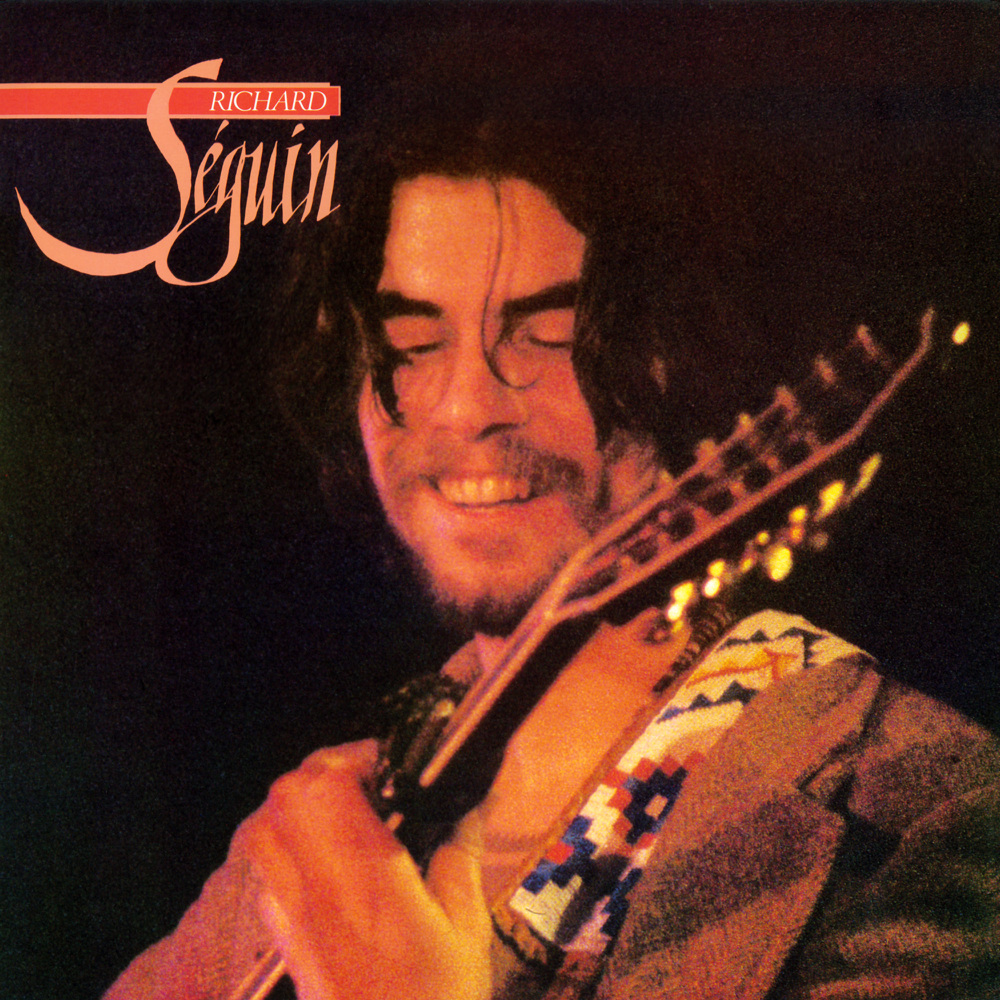
 View Artist