Song Meaning
The narrator confesses a deep-seated inadequacy with verse-making, viewing it as a pursuit of potential wealth that never materializes. This creative endeavor is hampered by the perceived need for an impossibly long life and a fully exposed mind, leading to a resigned "to do nothing is worse" mentality that compels him to write anyway. The lyrics paint a picture of reluctant creation, driven by a fear of idleness rather than genuine passion or skill.
This contrasts sharply with the narrator's perception of love-making, which he describes as remarkably simple and free from the anxieties of verse. Love is presented as an immediate, timeless state, devoid of complex depths, ascents, or the dread of past and future. It's an uncomplicated present, where "love now will be love evermore," suggesting a pure, unburdened experience.
The core tension lies in the narrator's starkly different approaches to these two fundamental human activities. Verse-making is a struggle against perceived limitations and the vastness of possibility, while love-making is an effortless, present-focused engagement. The structure highlights this by dedicating the first stanza to the laborious, almost grudging act of writing, and the second to the spontaneous, joyful act of loving.
Ultimately, the effectiveness of these lyrics stems from their honest portrayal of human compulsion and perceived limitations. The narrator’s self-deprecation regarding his verse-making, coupled with his idealized view of love, creates a relatable portrait of someone grappling with creative ambition and finding solace in simpler, more immediate forms of connection. The simple, declarative statements like "And made verse" and "I made love" underscore the finality and perhaps the resignation or relief in these choices.
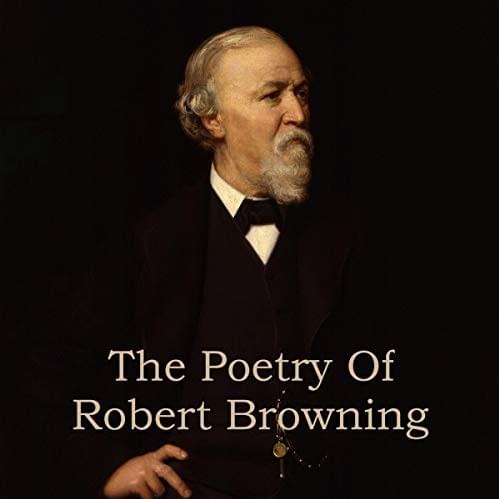
 View Artist