Song Meaning
The speaker lays out a clear preference, rejecting a parade of other flowers to pursue the "dainty rose." It's a declaration of singular devotion, framed by a series of exclusions. The initial lines dismiss flowers associated with excessive attention or status: the "mad Clytie" turned by the sun, the "courtly queen" tulip, and the "country wench" cowslip. Even the demure violet, described as a nun, doesn't fit the speaker's desire.
The central tension arises from this systematic rejection. The speaker isn't just passively admiring; they are actively "shunn[ing]" and dreading certain floral personalities. The pea is a "wanton witch," too eager to marry, while wolfsbane is explicitly feared. Even rosemary, associated with mourning, is too somber. This leaves the rose as the sole object of affection, positioned against a backdrop of floral personalities deemed unsuitable.
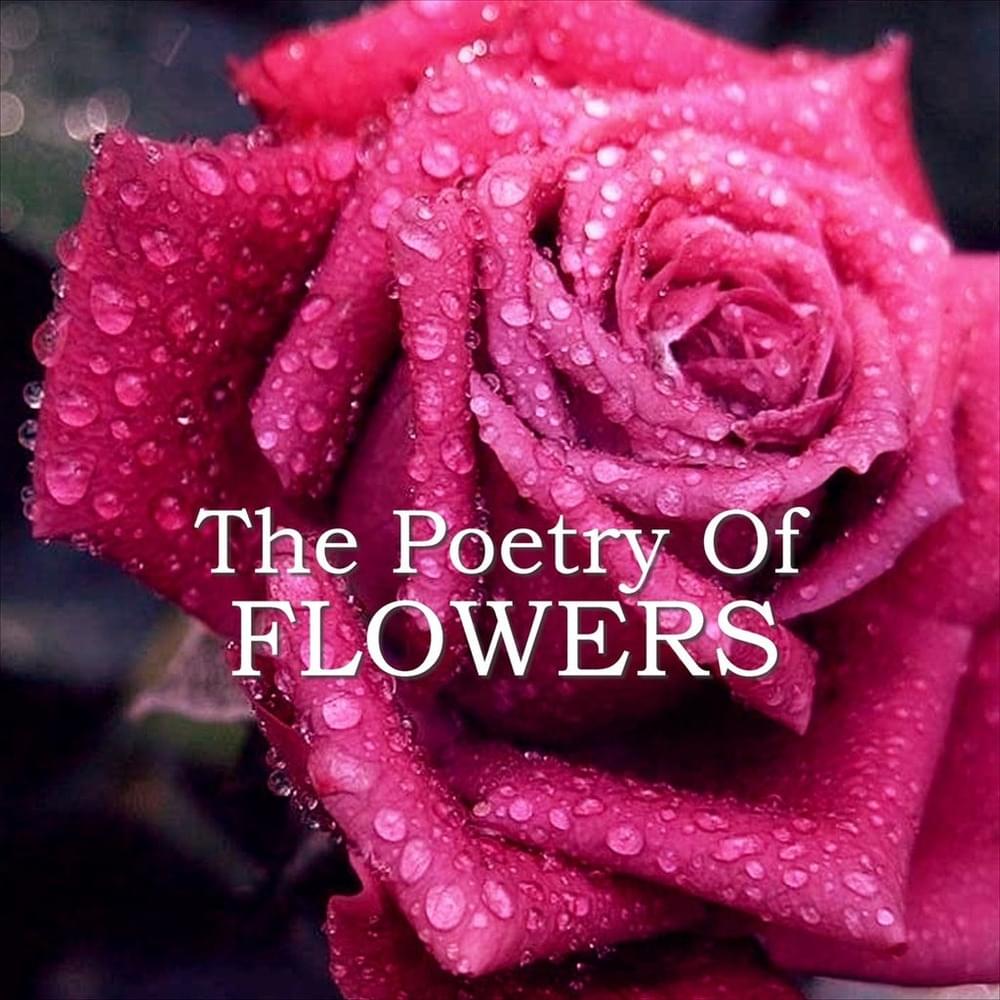
The craft lies in the personification and the stark contrasts drawn. Each flower is given a human-like trait or social role, creating a spectrum of undesirable characteristics. The rose, however, is consistently elevated – a "queen of everyone," with "cheeks of tender red," and ultimately "fairest of all." This consistent elevation, coupled with the detailed dismissal of others, builds a powerful case for the rose's unique appeal to the speaker.
This lyrical strategy works by creating a sense of earned desire. The speaker's focused pursuit of the rose feels deliberate because they've meticulously cataloged and rejected every other option. The repeated phrase "But I will woo the dainty rose" acts as a refrain, reinforcing the speaker's unwavering commitment and making the final declaration of the rose being "fairest of all" feel like a hard-won conclusion.
 View Artist