Song Meaning
Richard Marx's "The Flame of Love" isn't just another power ballad lamenting lost love; it's a raw dissection of self-doubt and the agonizing question of authenticity in relationships. The song meaning hinges on the central conflict: was the passion real, a "flame of love," or merely a desperate illusion fueled by the narrator's own longing? This isn't a straightforward blame game aimed at an ex-lover. Instead, Marx explores the more unsettling possibility that the narrator misread the signals, projecting their desires onto the other person. The opening lines, "Nobody told me every moment without you would seem so long / I get so lonely," establish a palpable sense of abandonment, but it's the subsequent questioning that elevates the song beyond typical heartbreak anthems. "Did I go and make believe the way you touched me / Was it real or just a game my mind was playing?" cuts to the core of the insecurity.
The chorus, a repetition of the "flame of love" versus "imagination" and "desperation" dichotomy, acts as the song’s central, agonizing question. It’s a brilliant lyrical move, turning the potential for genuine connection into a psychological battleground. Was the intensity of the relationship a shared experience, or a construct of the narrator's own mind, born out of a need for connection? The lines, "Replacing you with someone else is a game my heart won't play / 'Cause I know I'll never feel the heat that's in your soul," suggest a conviction that the connection, however real or imagined, was unique and irreplaceable, adding another layer of torment.
Ultimately, "The Flame of Love" resonates because it taps into a universal fear: the fear of being unlovable, of misinterpreting affection, and of constructing fantasies to fill an emotional void. The bridge, with its accusatory tone ("You lead me along / You did me wrong"), offers a brief moment of externalization, yet it's quickly undermined by the preceding and following verses, which continually circle back to self-questioning. This internal conflict is what gives the song its staying power. It's not just about the end of a relationship; it's about the struggle to reconcile reality with desire and to trust one's own perception of love.
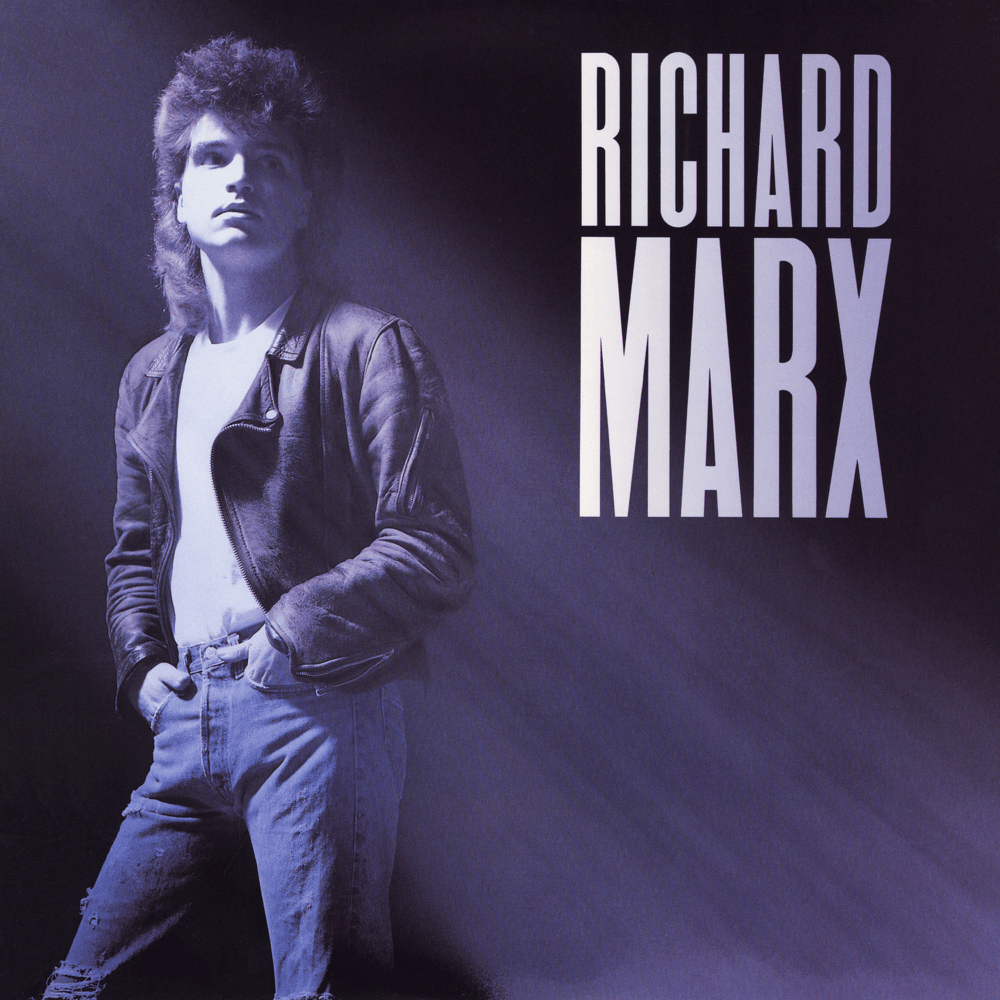
 View Artist