Song Meaning
Richard Marx's "Straight from My Heart" isn't just another ballad; it's a masterclass in melancholic acceptance. The song meaning resides not in overwrought grief, but in the quiet understanding that loss reshapes us. He acknowledges the persistence of daily life ("The sun's still warm and most days are good") while confessing the enduring ache that refuses to dissipate. This isn't a temporary sadness; it's a permanent fixture. The poignant line, "There is really no movin' on / There's only going along," speaks volumes about navigating life after a profound absence. It's the realization that the past isn't something to be overcome, but something to be carried.
The heart of the song lies in the paradoxical gratitude woven into the grief. Marx doesn't wallow; instead, he recognizes the transformative power of the relationship. "And I will always be / Better for you loving me," he sings, highlighting how love, even in its absence, leaves an indelible positive mark. This isn't about clinging to the past; it's about honoring the growth and joy that love fostered. The memories aren't just recollections; they're active, living components of his present self.
Ultimately, "Straight from My Heart" is a testament to resilience, albeit a quiet, understated one. The lyrics analysis reveals a commitment to facing the future, not with forced optimism, but with a quiet dignity born from enduring love. The act of holding his head up "just to let you know / That straight from my heart / I still miss you so" is not a grand gesture, but a private acknowledgment of a love that transcends physical presence. It's a song for those who understand that grief and gratitude can coexist, that love can leave scars that are also badges of honor.
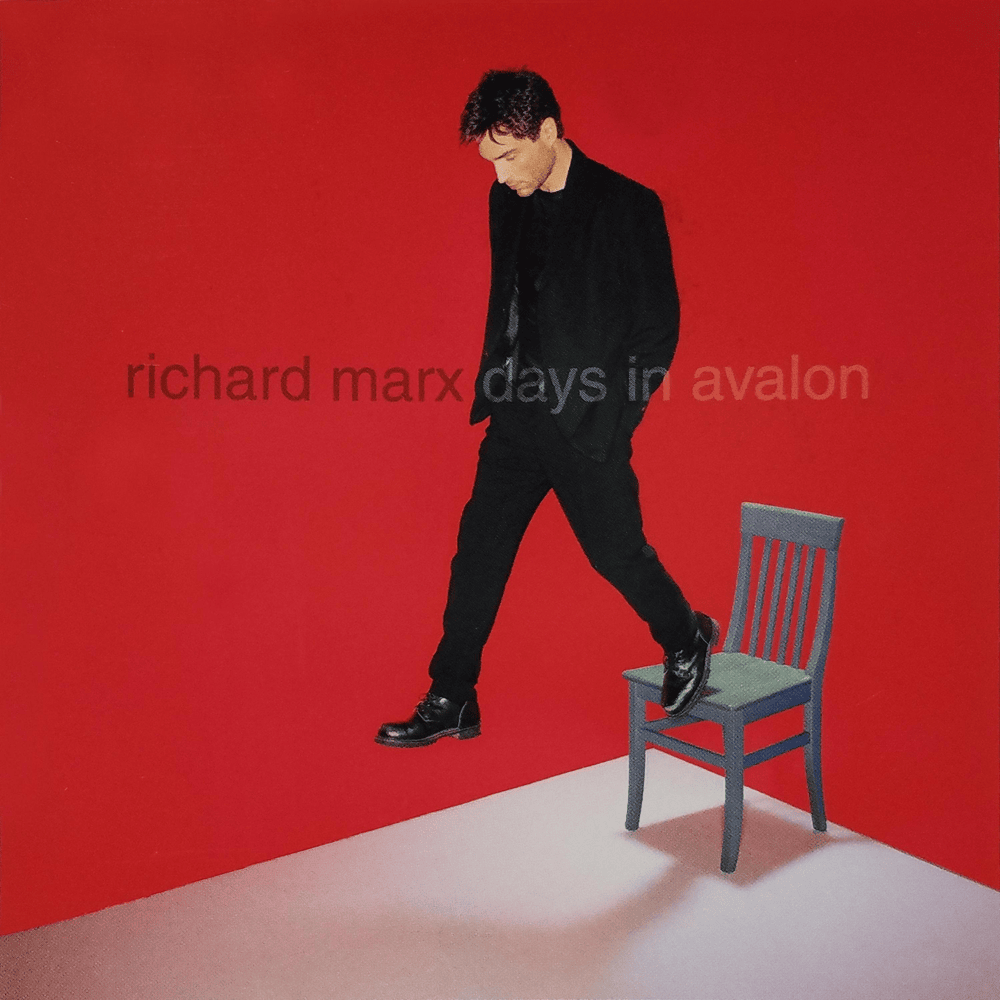
 View Artist