Song Meaning
Richard Marx's "Angel's Lullaby" isn't just a sweet tune; it's a raw nerve of parental devotion, a whispered promise against the relentless march of time. The opening lines, "I was never alive / Til the day I was blessed with you," immediately establish a pre-child versus post-child existence, a before-and-after so stark it reframes everything. This isn't just about love; it's about purpose discovered, a life redefined by the presence of a child. The lullaby itself becomes a shield, a private world created within the chaos. The lyrics suggest a primal urge to protect, to shut out the world's noise and focus solely on the fragile, precious being in his arms. It’s a universal feeling, but Marx articulates it with uncommon vulnerability.
Beneath the surface of gentle melody lies a deep current of anxiety. "Know I'm forever near / The one you can always call" speaks to the inherent helplessness of a parent watching their child navigate a world full of potential dangers, real and imagined. The shadows on the wall aren't just childish fears; they represent the larger, existential threats that loom. The desire to "kiss the tears you cry" is more than comfort; it's a futile attempt to absorb all the pain, to shield the child from any suffering. It's a losing battle, and the song acknowledges this. This sense of impending loss is further amplified by the question, "So tell me how to stop the years from racing?" It's a parent's lament, the agonizing awareness that childhood is fleeting, and the desire to hold onto those precious moments forever.
Perhaps the most poignant element of "Angel's Lullaby" is the shift in perspective toward the end. The realization that one day, the child will need to find their own strength, that the parent won't always be there to offer immediate comfort, is heartbreakingly real. The line, "You will sing your angel's lullaby," suggests a passing of the torch, a recognition that the child will eventually become their own source of comfort and resilience. The lullaby, initially a symbol of parental protection, evolves into a symbol of inner strength, a reminder of love and security that can be carried within. It's a beautiful, bittersweet acknowledgement of the inevitable separation, and the enduring power of love to guide us through even when we're alone.
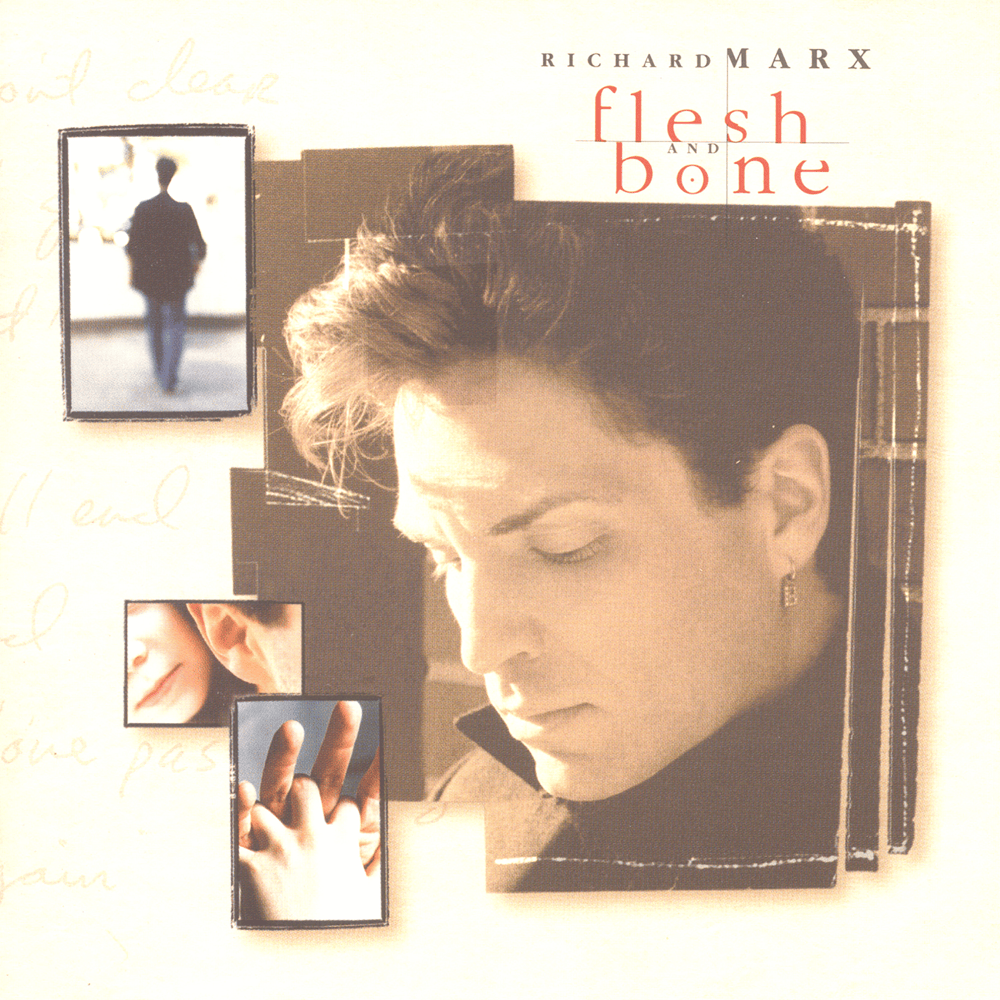
 View Artist