Song Meaning
The lyrics paint a picture of intense internal struggle, a constant state of unease symbolized by the repeated action of sitting and squirming. The narrator is trying to meticulously observe their own breath, a practice that seems to be an attempt at mindfulness or self-control, yet it's immediately disrupted by thoughts of "her" or "you." This suggests a mind that can't settle, perpetually pulled back into past relationships or unresolved feelings, leading to a cycle of starting over the observational process.
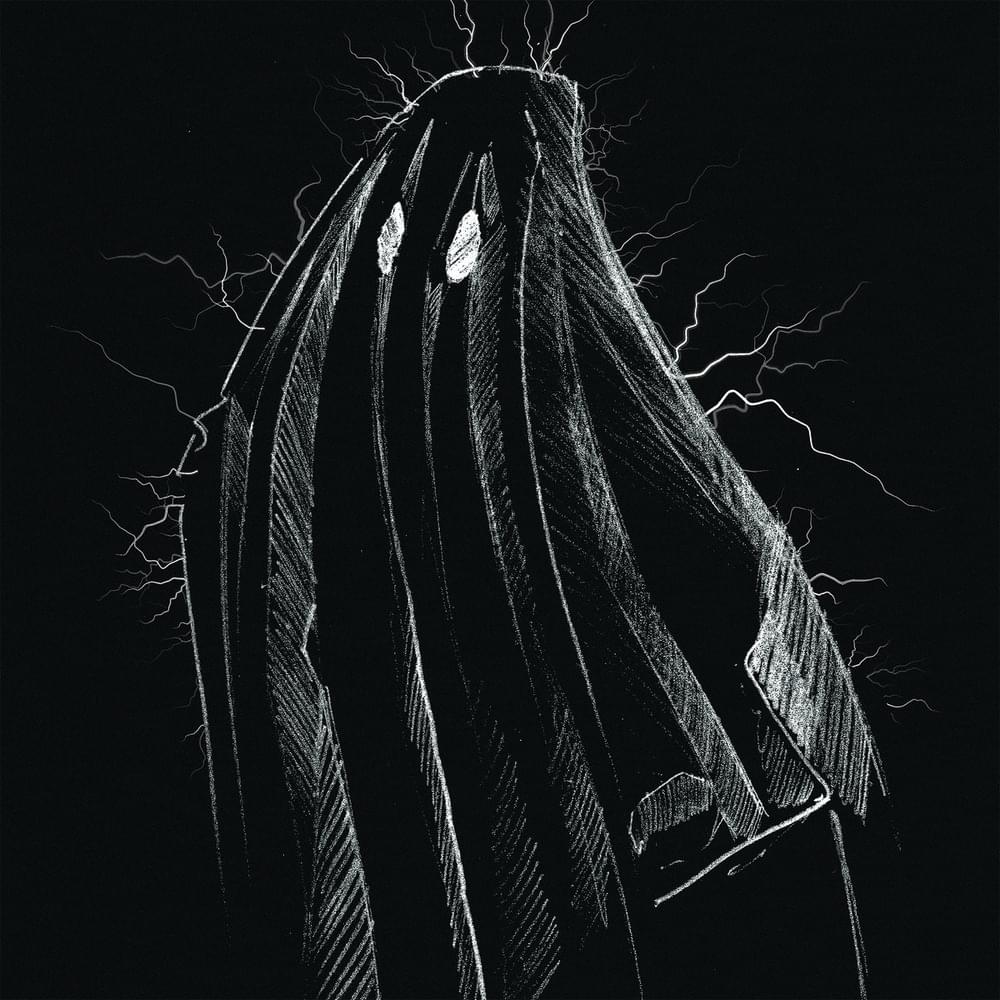
This internal turmoil is amplified by the desire to "unpack the past" and "hope it never comes back," a futile wish against the persistent return of memories. The narrator grapples with a profound dissatisfaction with their current self, admitting, "When I cannot stand who I am." This existential discomfort drives a need to "stay hard," a defensive posture against vulnerability and the painful introspection that brings them back to the "ghost" of a past connection.
The most striking image is "Freud On The Beach, Drunk in the sun." This juxtaposition of deep psychological analysis (Freud) with carefree, perhaps irresponsible, indulgence (drunk on the beach) captures the narrator's chaotic mental state. It's as if their own subconscious is a disheveled, intoxicated figure, unable to offer coherent guidance. The line "If you see me comin' you better run" hints at a volatile emotional state, a warning to others that the narrator is unpredictable and potentially destructive when in this frame of mind.
The effectiveness of these lyrics lies in their raw portrayal of self-alienation and the desperate attempts to escape it. The narrator oscillates between trying to control their thoughts and being overwhelmed by them, particularly the memory of a "baby blue" or "darling." The admission, "I forget you, baby, every time" when captivated by someone new, underscores a deep-seated conflict: the desire for new connection versus the inescapable pull of the past, leaving them perpetually "glued to 'it was'." The final repetition of "While I sit and I squirm" brings the listener back to the initial, unresolved state of anxiety, emphasizing the cyclical nature of the narrator's struggle.
 View Artist