Song Meaning
The refrain paints a picture of unspoken affection, a constant hum of what could be. The narrator acknowledges a perceived special connection, a feeling that the other person holds them in a unique light. Yet, this recognition is immediately undercut by the crushing reality of inaction. The core tension lies in this gap between internal feeling and external expression, a chasm that has grown too wide to bridge.
The lyrics repeatedly hammer home the idea that this missed opportunity has solidified into a permanent state. The phrase "you know that it's too late" isn't just a statement of fact; it carries the weight of regret and finality. It suggests a history of hesitation, a series of moments where the other person could have acted but didn't, leading to an irreversible outcome. This cyclical repetition emphasizes the narrator's resigned acceptance of this unfulfilled potential.
What makes this so potent is the direct, almost blunt, confrontation of the situation. There's no elaborate metaphor, just a stark declaration of a painful truth. The contrast between the "special way" someone might think of another and the inability to "show it" creates a palpable sense of longing and frustration. The lyrics suggest a quiet heartbreak, born not from grand gestures gone wrong, but from the absence of any gesture at all.
Ultimately, the effectiveness of these lines stems from their relatable portrayal of regret over what was never said or done. The simple, direct language strips away any pretense, leaving the raw emotion of a connection that exists only in the mind, forever out of reach. It's the quiet ache of a possibility that has passed, a poignant reminder of the cost of hesitation.
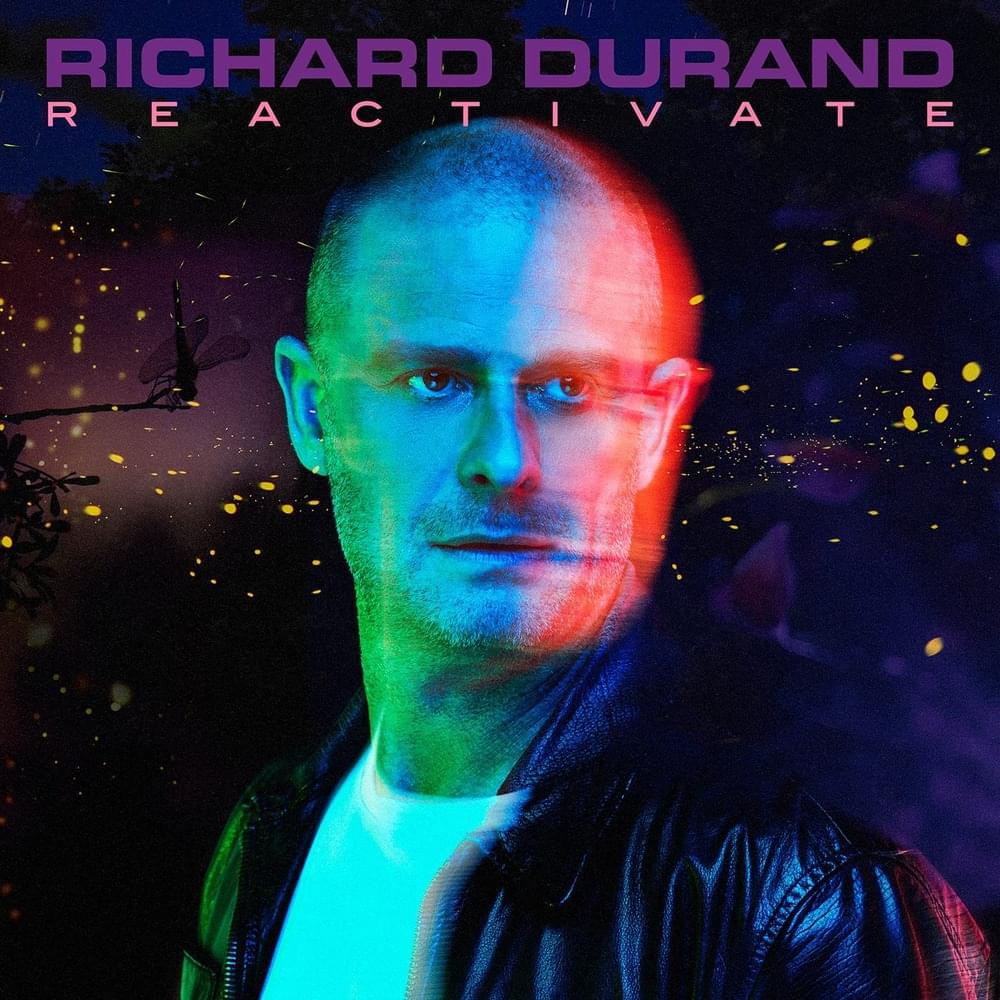
 View Artist