Song Meaning
These lyrics immediately plunge us into a life of relentless routine. The narrator is perpetually "running behind time," caught in the "same old grind" from Monday to Friday. This opening establishes a powerful sense of exhaustion and a feeling of being perpetually out of sync with life's demands.
The central tension quickly emerges as the narrator feels abandoned, even by a higher power. While acknowledging that "God looks after everyone," the lyrics suggest a profound personal exclusion: "But He's got no time for me." This stark contrast between universal care and individual neglect deepens the sense of isolation and injustice, framing the narrator's "trouble and strife" as a uniquely burdensome fate.
A particularly sharp piece of craft comes in the juxtaposition of the narrator's struggle with the landlord's prosperity. The landlord "owns apartment blocks" and "still lust after more," while the narrator admits, "I ain't that enterprising." This isn't just a complaint about wealth disparity; it highlights a systemic imbalance where one person's insatiable desire for accumulation directly contrasts with another's perceived lack of opportunity or agency.
Ultimately, the repeated refrain, "I'm chained to the working class life," acts as a heavy anchor throughout the lyrics. This powerful metaphor, combined with the specific grievances—from the daily grind to spiritual abandonment and economic inequality—creates a resonant portrait of a life defined by struggle. The lyrics effectively convey a profound sense of entrapment, making the listener feel the weight of an existence from which there seems to be no escape.
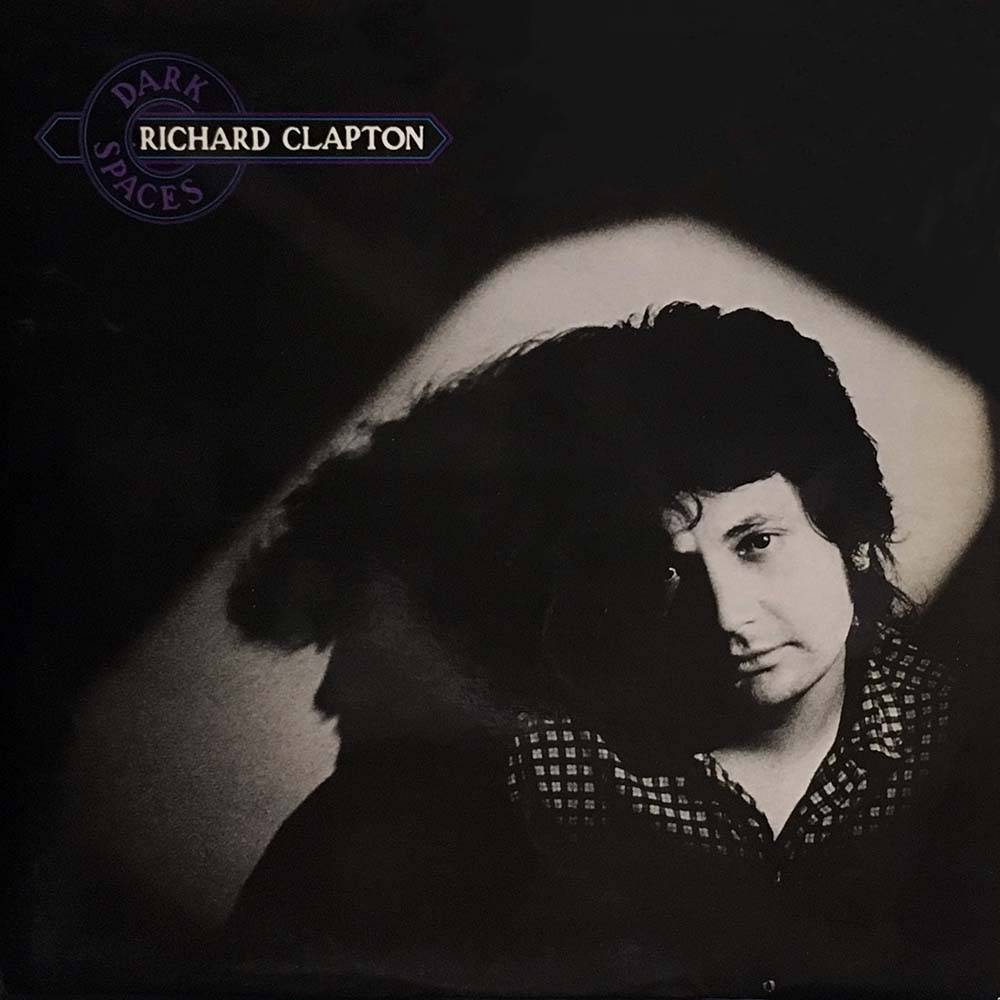
 View Artist