Song Meaning
The lyrics paint a picture of disorientation and a yearning for authenticity, contrasting a perceived ideal with a harsh reality. The opening lines, "Seeing the world through imposters eyes / Against my life it'd feel real nice," immediately establish a sense of detachment and envy for a life that seems easier or more genuine. This feeling is amplified by the imagery of "corridors of ice," suggesting a cold, perhaps fragile, environment where even a precarious sense of rightness is clung to. The narrator seems to be navigating a space where appearances are deceptive and the ground beneath them is unstable.
The core tension lies in the struggle to find genuine direction amidst fleeting moments and superficial interactions. The phrase "Slipping in and out of time" hints at a loss of temporal grounding, making the pursuit of purpose even more urgent. The narrator's plea, "Don't lose my breath on any small talk," underscores a desire to cut through the noise and focus on what truly matters, encapsulated by the imperative "live the walk walk the talk." This is a call to action, urging a life lived in alignment with one's words and intentions.
The recurring chorus, "And i want you to feel / These messages that seem so real / And life passes before you know / The direction that you want to go," reveals the narrator's desire to impart this hard-won wisdom. The repetition of "Guess that's always been the same" after the chorus suggests a cyclical nature to this struggle, a sense of resignation that finding one's true path is an enduring, perhaps universal, challenge. The image of the lost captain, "lost his ship and he's lost his crew," serves as a potent metaphor for complete desolation and the devastating consequences of losing one's way.
Ultimately, the effectiveness of these lyrics stems from their raw, almost confessional tone and the stark imagery used to convey a profound sense of existential drift. The contrast between the desire for a "real nice" life and the reality of "corridors of ice," coupled with the desperate plea for clarity in direction, resonates because it captures the universal human experience of seeking meaning in a world that often feels confusing and overwhelming. The repeated chorus acts as a lifeline, a desperate attempt to anchor both the speaker and the listener in the pursuit of purpose before time runs out.
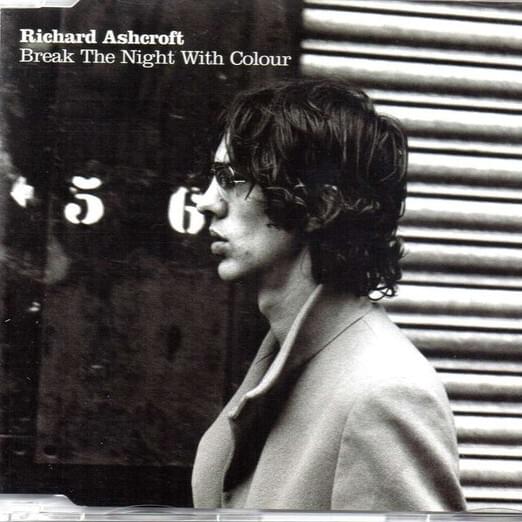
 View Artist