Song Meaning
The lyrics paint a picture of a relationship's end, marked by the narrator's initial emotional inertia. "Slow was my heart" suggests a lack of responsiveness or perhaps a deep-seated sadness that prevented connection, leading to the partner's departure. The repeated plea, "please stay strong," feels like a desperate, perhaps futile, attempt to salvage something or to comfort the departing person, even as the narrator acknowledges their own failing. This sets up a core tension between past regret and the necessity of moving forward.
The central conflict seems to be the struggle to accept loss and embrace a new phase. The narrator admits, "Weak was my strength, your hand I should have lend," a clear confession of a missed opportunity to offer support or connection. This regret is juxtaposed with the recurring, almost mantra-like, chorus: "It keeps on turning, yeah-yeah, for everyone / We keep on learning, yeah-yeah, to kiss the sun." This refrain suggests a universal cycle of life, loss, and adaptation, implying that healing and growth are inevitable, even if painful.
The most striking element is the juxtaposition of personal heartbreak with this grand, cyclical view of existence. The narrator grapples with a specific "why love must die," a profound personal question, yet the chorus insists on a collective, almost impersonal, process of learning and moving on. The repeated phrase "I'm just like everyone" hammers home this forced assimilation into a universal experience, perhaps as a coping mechanism. The image of learning "to kiss the sun" is a potent metaphor for embracing life, finding joy, or accepting fate, even after experiencing the darkness of loss.
Ultimately, the effectiveness of these lyrics lies in their portrayal of the difficult, often contradictory, process of healing. The narrator is caught between the specific pain of a failed relationship and the abstract, universal truth that life continues and demands adaptation. The repetition of "keep on learning" and the insistent "I'm just like everyone" suggests a conscious effort, perhaps even a struggle, to align their personal grief with the broader rhythm of existence, finding solace in the idea that this painful transition is a shared human experience.
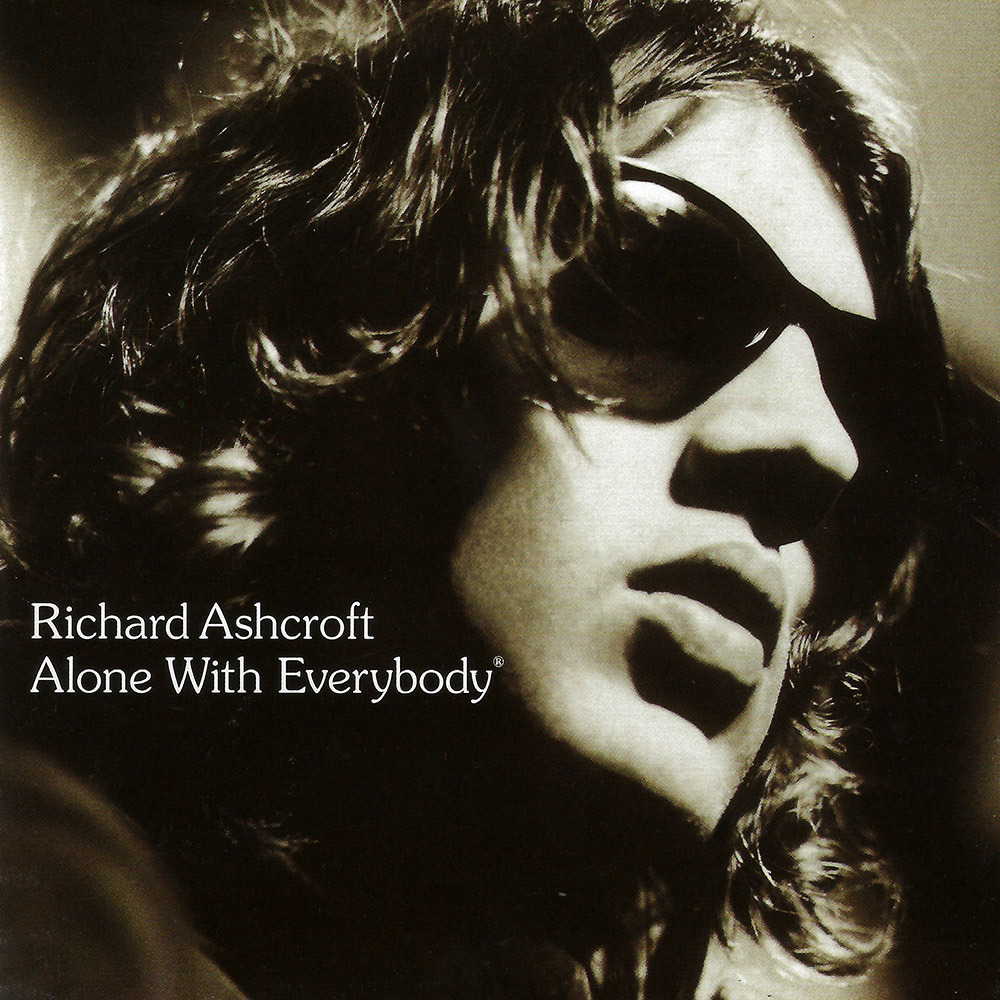
 View Artist