Song Meaning
The lyrics paint a picture of intense longing and a desire for reconnection. The narrator is clearly feeling the absence of a loved one, finding their current surroundings and social interactions insufficient. The opening lines, "Cosa fai stasera, ci vediamo oppure no?" and "Invento una cena, ti coccolo un po'," set a scene of hopeful anticipation, but this quickly gives way to the stark realization that the presence of others isn't enough. The repeated phrase "Manchi tu" (You are missing) acts as a constant, grounding refrain, emphasizing the central emotional void.
The core tension lies in the contrast between the narrator's present reality and their fervent wish for the past or a different future. They acknowledge lost affections, "Le carezze che ho perso non ritornano più," yet simultaneously express a powerful desire to recapture intimacy and permanence. This is most evident in the chorus, "Voglio stringerti ancora, voglio stare con te," a plea for immediate closeness and a commitment to never letting go. The narrator is actively trying to bridge the gap, offering reassurance: "Non avere paura, nel mio cuore ci stai."
The most striking aspect of the writing is the directness and repetition, particularly of the chorus and the phrase "Manchi tu." This isn't subtle poetry; it's an urgent, almost desperate outpouring of emotion. The simple, declarative sentences in the second verse, "Non è un avventura, non vado più via," underscore a commitment that feels newly solidified, perhaps in response to the perceived distance. The repeated desire to "vivere l'ora, la più bella che c'è" highlights an appreciation for the present moment when shared, but also a fear of its fleeting nature.
Ultimately, the effectiveness of these lyrics stems from their raw emotional honesty and clear articulation of a universal feeling: the pain of absence and the powerful urge to hold onto someone dear. The straightforward language and insistent repetition create a sense of immediate, palpable yearning. The narrator isn't analyzing their feelings; they are simply expressing them, making the plea to "stringerti ancora" (hold you again) feel deeply personal and resonant.
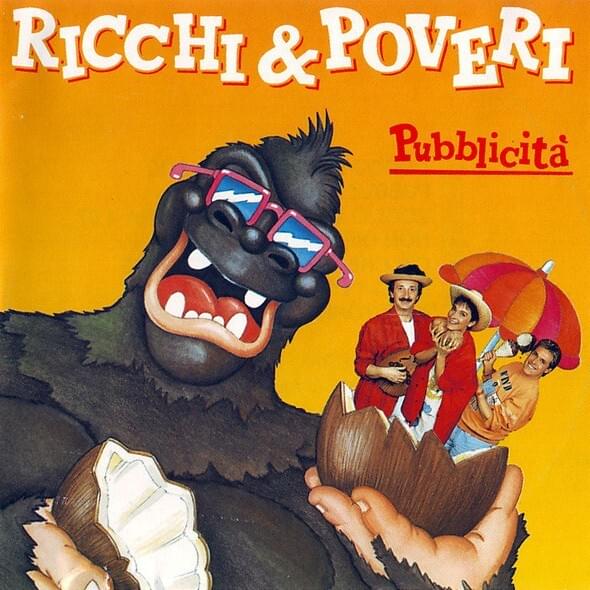
 View Artist