Song Meaning
The scene is set with a crowd present, a palpable energy for a performance. The narrator acknowledges the audience's desire for them to sing, declaring "Mi volete e io, io canterò." Yet, a subtle undercurrent of absence immediately surfaces, noting that "non c'è qualcuno / E qui non c'è da un po'," hinting at a personal void despite the public gathering. This creates an immediate tension between the external reality of the performance and an internal, perhaps emotional, emptiness.
The core conflict lies in the narrator's ability to give love and song when they feel they lack it themselves. "Quanto amore vi canterò / Anche se non ne ho" is a powerful, almost defiant statement. It suggests a commitment to the act of performing love, even if the source feels depleted. The presence of at least one specific person, "Ma se tu sei qui per me," becomes the anchor, the reason to push through this internal deficit and perform for them.
The most striking aspect is the narrator's acknowledgment of transience and anonymity within the crowd. They express gratitude "di essere venuti / Anche se tra un un po' andrete via," recognizing the fleeting nature of their audience. Furthermore, the line "E a te, chiunque tu sia" embraces even the unknown faces, highlighting a desire to connect broadly, perhaps as a way to compensate for the specific absence felt earlier. The final line, "Scusa se canto chi non c'è," is a poignant admission, framing the entire performance as an act of singing for those who are not physically present, a dedication born from a place of personal longing.
This lyrical construction is effective because it grounds a potentially grand performance in intimate vulnerability. The contrast between the public spectacle and the private ache is what gives the song its emotional weight. The narrator isn't just singing; they are singing *despite* a lack, *for* a specific presence, and *in memory* of others, making the act of singing a complex emotional offering rather than purely celebratory one.
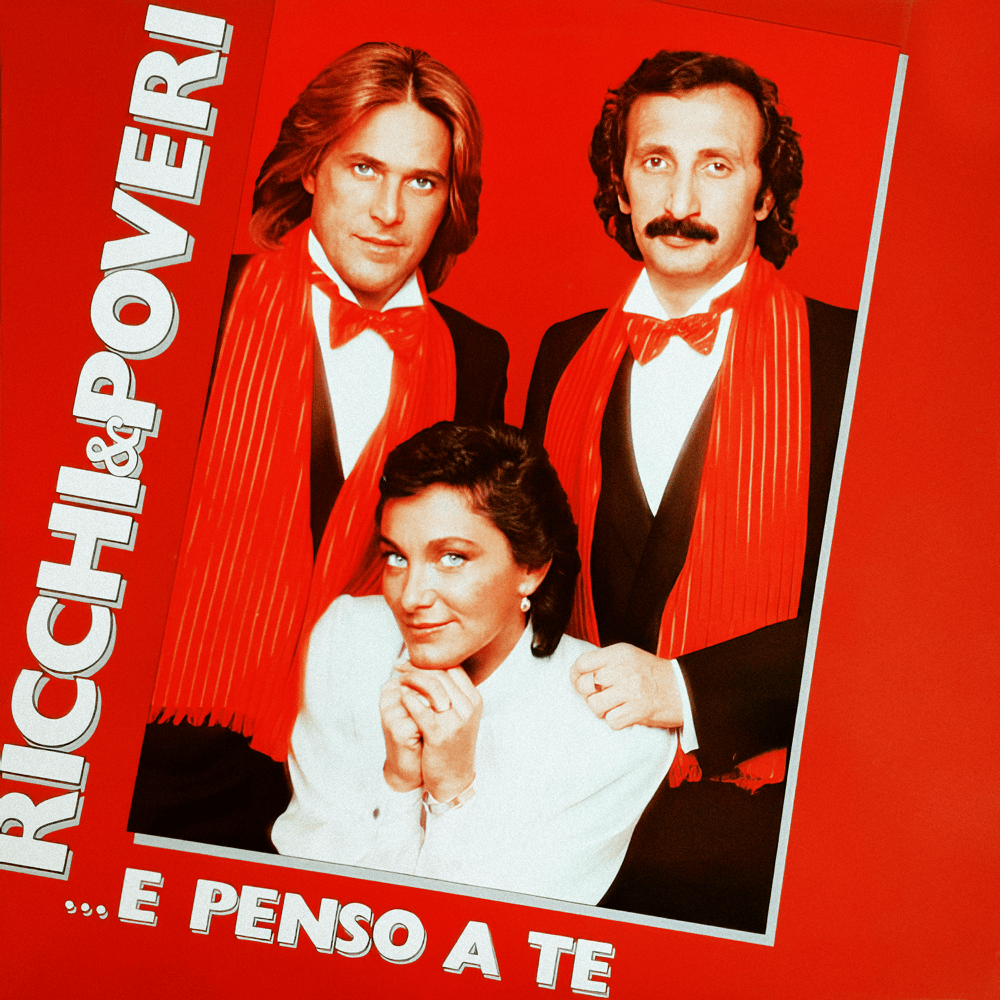
 View Artist