Song Meaning
The lyrics paint a vivid picture of a past summer romance, tinged with the bittersweet ache of separation. The narrator recalls a specific time, almost a year ago, when their love was present and vibrant, marked by nights by the sea and promises of a future. The phrase "Sarai nella mia mente domani" (You will be in my mind tomorrow) echoes with a poignant irony, as the present is defined by absence.
The central tension lies in the narrator's struggle to reconcile the vivid memories of their lover with the harsh reality of their current solitude. The repetition of "Goodbye, my love" and the refrain "E mi manchi sempre tu / Ogni giorno un po' di più" (And I always miss you / A little more each day) underscores a profound and growing sense of loss. The contrast between the past "pazzi ad aspettare domani" (crazy waiting for tomorrow) and the present "di notte sono / Qui sempre più da solo" (at night I am / Here more and more alone) highlights the painful shift from hopeful anticipation to lonely resignation.
The lyrics skillfully use the passage of seasons to mark the duration and pain of the separation. Summer, the season of their love, is contrasted with September, which "ti porta via" (takes you away), and the anticipation of spring and the following summer, which "ti riporta qui" (brings you back here) and prompts a hopeful "ancora un poco e sarai mia" (a little longer and you will be mine) and "Per dirmi ancora sì" (To tell me yes again). This cyclical structure, however, is overshadowed by the persistent "mi manchi sempre tu," suggesting that even the promise of return doesn't fully alleviate the present pain.
This song's emotional resonance stems from its direct, almost conversational recounting of a specific, painful absence. The narrator isn't abstractly lamenting love; they're detailing the lingering sensory details of a past relationship – the summer nights, the letters, the lover's promises – against the stark backdrop of their current loneliness. The simple, repeated "Goodbye, my love" becomes a powerful anchor for the overwhelming feeling of missing someone who is physically distant but emotionally still very present.
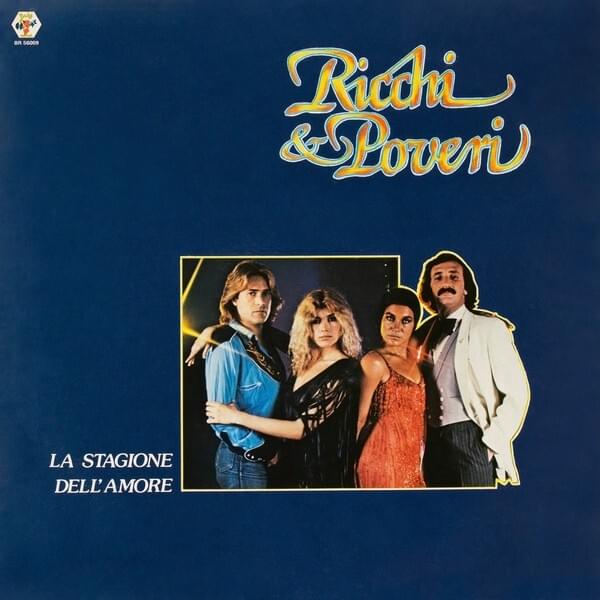
 View Artist