Song Meaning
The lyrics paint a stark picture of loss, contrasting a past of shared comfort with a present of overwhelming solitude. Initially, the narrator recalls a time when a loved one's storytelling provided solace against fear, especially during a strong wind and descending night. This shared moment, where a "story" ended the narrator's fear, felt like a safe haven.
Now, that comfort is gone, leaving the narrator "alone" in a world that feels too big. The "story" that once protected them has become reality, but it's a reality that has "ended" with the departure of the person who told it. The repetition of "con te" (with you) emphasizes that the narrator's sense of completion and safety was entirely dependent on this other person's presence.
The song then shifts to a fable-like structure, introducing a king in his castle. This fairy tale element seems to represent the idealized world or the narrative framework that was once shared. However, the narrator laments that "dreams have faded" and "illusions no longer return." The poignant line "Più non canti, madre mia" (You no longer sing, my mother) reveals a potential identity for the storyteller and deepens the sense of loss, suggesting a maternal figure whose voice and stories were a source of life and comfort.
The repeated refrain about the "most beautiful castle" where "your story ends with you" serves as a heartbreaking conclusion. It suggests that the idealized world or the narrative of comfort, represented by the castle, is inextricably linked to the person who is now gone. The narrator is left in this grand but empty "castle," where the story they once knew has definitively concluded with the absence of the storyteller, leaving them to face the world alone.
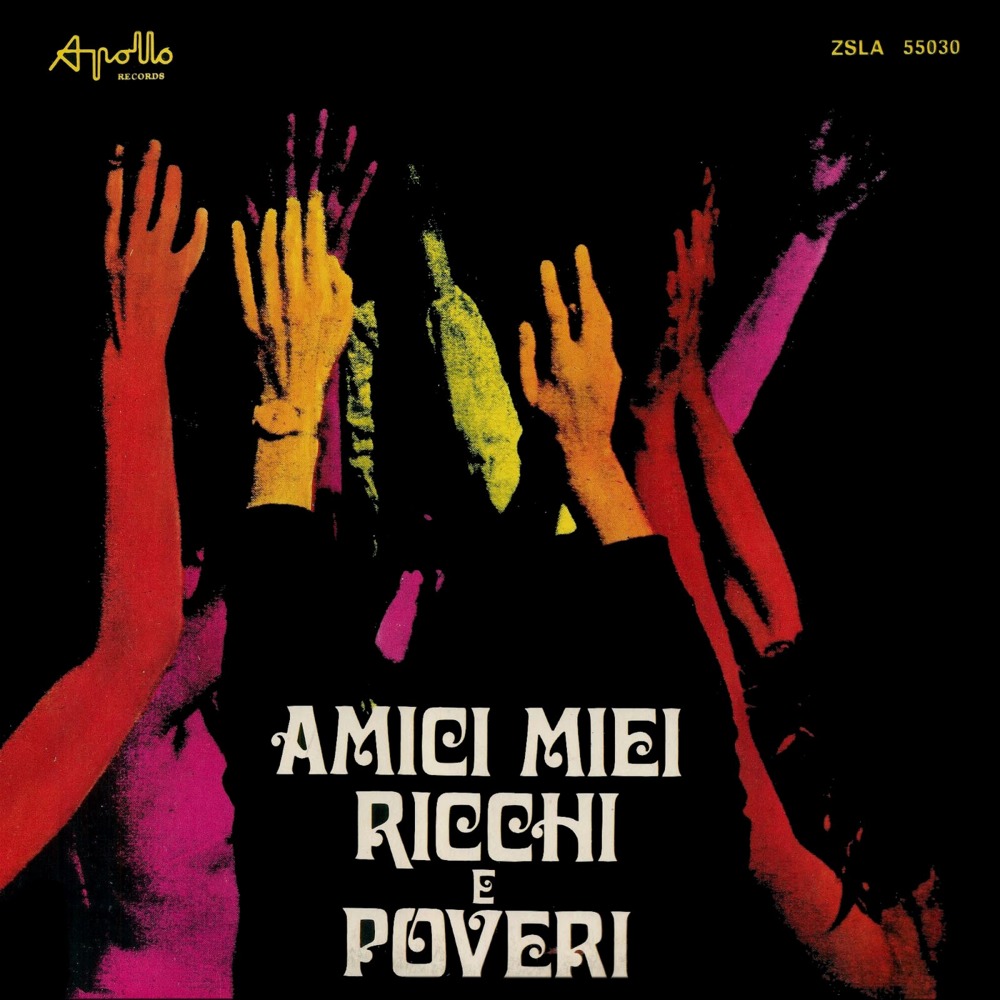
 View Artist