Song Meaning
Ricardo Montaner's "Una Palabra" isn't just a plea for reconciliation; it's a stark depiction of the silent battlefield that love can become. The obsessive repetition of "Ni una palabra tuya, ni una palabra mía" isn't about peaceful coexistence, but rather a desperate attempt to control a relationship teetering on the brink. It speaks to the exhausting dance of conflict avoidance, where unspoken resentments fester beneath a veneer of forced tranquility. Montaner paints a portrait of a love suffocating under the weight of unspoken truths. The lyrics aren't celebrating peace; they're mourning the vibrant, messy honesty that has been sacrificed. The 'refugio del amor' built in silence is, perhaps, a gilded cage.
The repeated cries of "Vuelve a mí otra vez, necesito amor" and "Vuelve a mí por Dios, ven y alúmbrame" highlight a profound dependence. The singer isn't simply missing his lover; he's lost without them, his world plunged into darkness. This dependence fuels the willingness to silence himself, to accept a relationship defined by what *isn't* said rather than what *is*. The trade-off is clear: silence for the illusion of stability. But can a love built on such a foundation truly thrive, or is it merely a slow, agonizing fade?
The urgency escalates with the lines about life passing by and the train of happiness. This injects a sense of panic into the equation. The fear of being left behind, of missing out on happiness, motivates the plea for immediate return and the promise of perpetual silence. It's a high-stakes gamble, betting everything on a relationship salvaged through enforced quiet. The lyrics analysis reveals a complex interplay of need, fear, and the crushing weight of unspoken words, all wrapped in Montaner's signature emotive delivery.
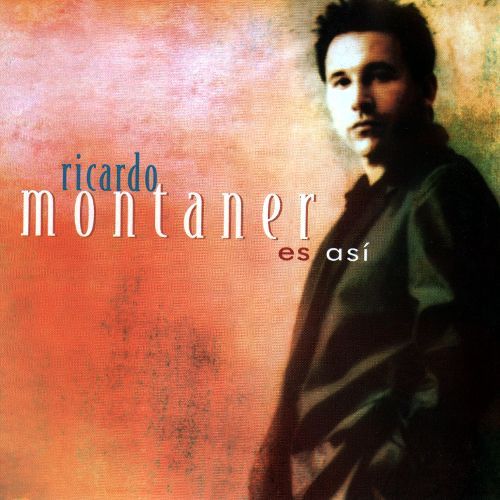
 View Artist