Song Meaning
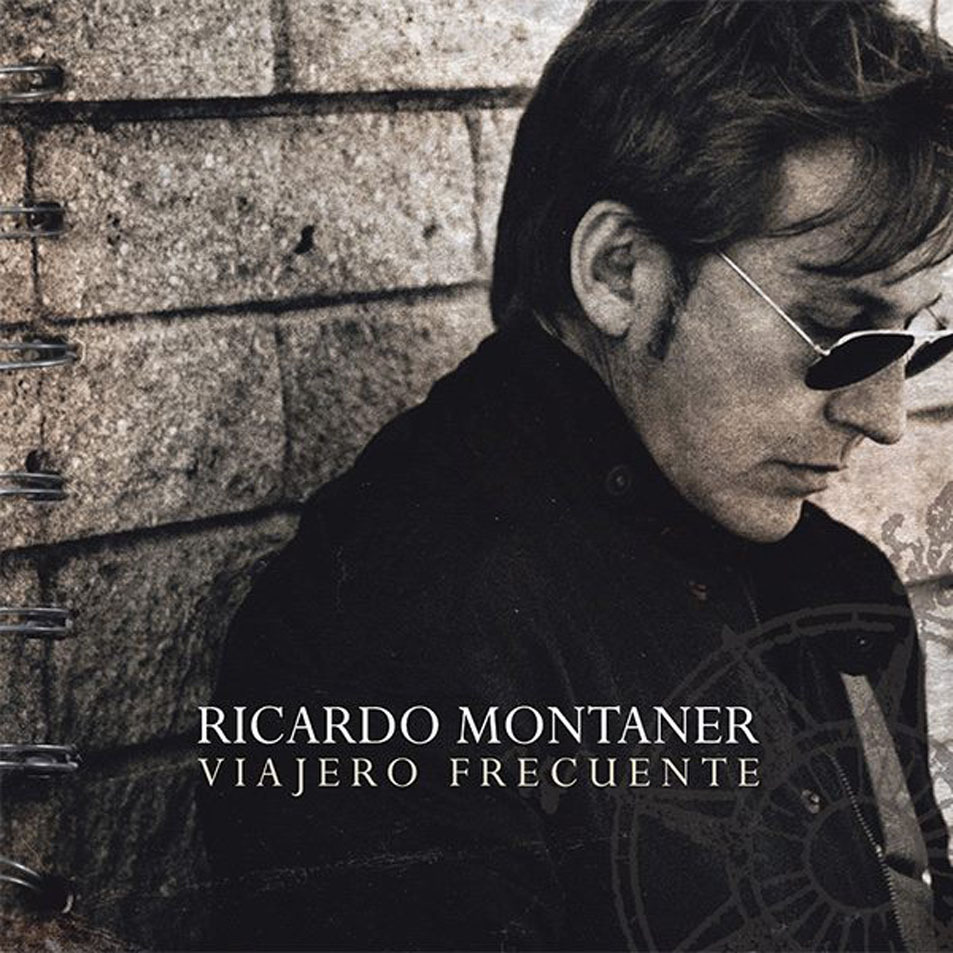
Ricardo Montaner's "Te Amo Hasta Siempre" isn't just another sentimental ballad; it’s a haunting echo of idealized, perhaps even lost, love. The song meaning hinges on the juxtaposition of youthful dreams and the potential harsh realities of time. The opening lines paint a picture of a young girl in a small village, brimming with aspirations for love and recognition. This initial image is pure, almost archetypal, representing the universal desire for connection and validation. The repetition of "TE AMO hasta siempre / Lo que reste de mí" isn't merely a declaration, but a promise that reverberates with both devotion and a tinge of desperation. It suggests a love that the singer clings to, even as life unfolds and changes.
The middle verses introduce a sense of longing and uncertainty. The lines "Hace un buen rato ya / Que no la ven pasar / Por la ciudad" create a palpable absence. The ambiguity – "Puede que esté muy bien / Puede que esté muy mal" – hints at a separation, whether physical or emotional. The singer's desire to tell her "TE AMO hasta siempre" implies a barrier, a need to bridge a gap that has formed over time. This absence amplifies the central theme of enduring love, suggesting that true affection persists even in the face of distance and the unknown. The lyrics analysis reveals the classic theme of love that defies time and circumstance.
The recurring lines "Nada es mejor que su amor / Nada es igual / Nadie la puede alcanzar" elevate the beloved to an almost unattainable ideal. She is not just loved, but elevated beyond comparison. This idealization can be interpreted through a psychological lens as a projection of the singer's own needs and desires onto the object of his affection. The repeated phrase "Y el amor con su amor se sonríe" is particularly intriguing. It suggests a harmonious, almost symbiotic relationship between the singer's love and the beloved's own capacity for affection. The final iteration, "Si mi amor con su amor se sonríe," personalizes this connection, grounding the abstract concept of love in the specific dynamic between the two individuals. In essence, "Te Amo Hasta Siempre" is a meditation on the enduring power of love, tinged with the melancholy awareness of life's uncertainties and the potential for separation.
 View Artist