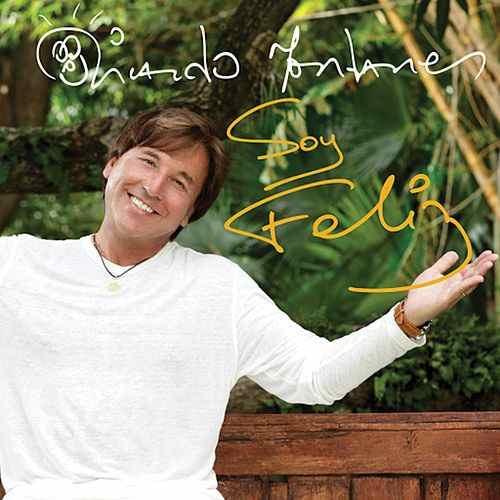
Song Meaning
Ricardo Montaner's "Soy Feliz" explodes with an almost aggressively cheerful insistence. It's a sonic shot of dopamine, a relentless demand to embrace joy that, at first listen, might feel simplistic. But beneath the surface of this anthemic celebration lies a more complex understanding of happiness – not as a constant state, but as a conscious choice, an active resistance against the inevitable sorrows of life.
The lyrics themselves are straightforward, almost childlike in their directness. Montaner urges the listener to "Deja la queja ya" (leave the complaint behind) and to recognize that "la vida es corta" (life is short). He champions the power of positive affirmation, urging us to "Baila en la calle, di cosas bellas / Grítale al mundo ¡Yo soy feliz!" (Dance in the street, say beautiful things / Shout to the world, I am happy!). This isn't about denying pain; it's about actively creating moments of joy, even in the face of it. The song acknowledges sadness, evidenced in the verse addressing a young man's heartbreak, encouraging him to let go of "despecho" (resentment) and join the celebration.
"Soy Feliz" functions as a kind of self-help mantra set to a Latin beat. Its repetitive declarations of happiness, bordering on the ecstatic, become a form of cognitive reframing. By repeatedly stating "Soy feliz," the song encourages the listener to internalize that feeling, to embody it, even if only for the duration of the song. The repeated line "Vamos que la vida es una FIESTA!!" (Let's go, life is a party!!) reinforces this idea of life as a celebration, a perspective shift that can alter one's perception of daily struggles. The true song meaning resides in its insistence of choosing joy, of finding moments of celebration amidst the chaos.