Song Meaning
Ricardo Montaner's "Solo Otra Vez" is a raw, exposed nerve of a song, a confession of someone grappling with the double-edged sword of freedom. The opening lines, "Quise volar / Y conoci la soledad" (I wanted to fly / And I met loneliness), immediately set the stage: this isn't a celebration of independence, but a lament for its unintended consequences. The narrator acknowledges a past where love was a game, a transaction of sorts, "Jugue el amor sin entregar / Sin esperar" (I played at love without giving / Without waiting), revealing a fear of vulnerability that ultimately backfired. The repeated phrase, "Solo otra vez" (Alone again), isn't just a statement of fact; it's an admission of a self-inflicted wound. The lyrics analysis suggests the singer's heart is not just lonely, but actively yearning, "Mi corazón no aguante mas / La soledad" (My heart can't take any more / The loneliness). This isn't the stoic solitude of a lone wolf, but the desperate cry of someone who realizes connection is a fundamental need, not a weakness.
The song meaning deepens with the admission, "No se vivir / Sin amor" (I don't know how to live / Without love). It's a stark vulnerability, especially for a male voice, suggesting a breaking point. He's not just missing a specific person; he's missing the very essence of human connection. The repeated questioning, "Quiero saber / Como es que siente una mujer" (I want to know / How a woman feels), hints at a desire for emotional understanding, perhaps a recognition that his previous approach to relationships was flawed and incomplete. There's a yearning to connect on a deeper, more empathetic level. This line isn't necessarily about gender, but about understanding emotions more completely.
Ultimately, "Solo Otra Vez" is a powerful exploration of the human need for connection, framed within the context of regret and self-awareness. It's a song about learning, often the hard way, that true freedom isn't about emotional detachment, but about the courage to be vulnerable and to truly give and receive love. The simple repetition of key phrases underscores the cyclical nature of the singer's predicament, trapped in a loop of loneliness until he can break free from his self-imposed emotional barriers. It is a song about the stark realization that playing at love leaves you ultimately alone and unfulfilled.
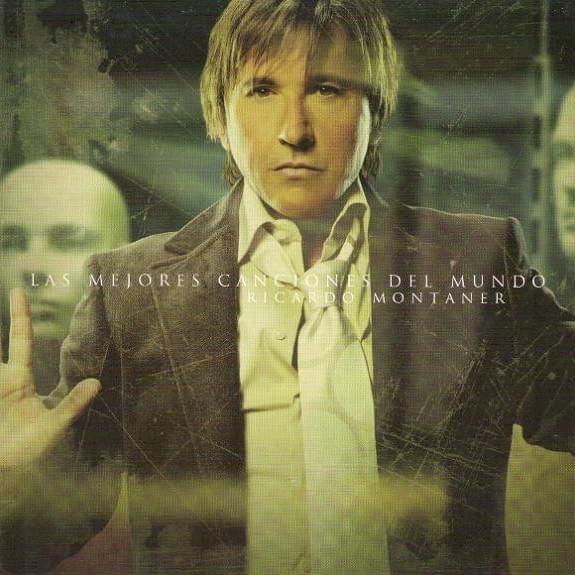
 View Artist