Song Meaning
Ricardo Montaner's "Sabor a nada" isn't just another heartbreak ballad; it's a stark dissection of love's slow erosion. The track, steeped in Montaner's signature emotive delivery, confronts the agonizing realization that passion can decay into indifference. The opening lines paint a chilling portrait of disconnection: glances exchanged without warmth, a stark contrast to the burning love of yesterday. This isn't a sudden explosion of anger, but the creeping numbness of "hastío" (weariness) that renders everything tasteless. The 'flavor of nothing' is not just a feeling, but a metaphor for a love starved of its vital essence.
Montaner deftly captures the insidious nature of relationship decline. It's not grand betrayals, but the accumulation of "pequeñeces" (trivialities) that chip away at the foundation. These small irritations, once easily dismissed, become fault lines, magnified by the absence of genuine connection. The lyrics imply a painful awareness of the charade they're enacting, projecting an image of love for the outside world while privately enduring mutual resentment. This duality—the public performance versus the private reality—adds a layer of tragic irony to the song's exploration of fading love.
Ultimately, "Sabor a nada" poses a crucial question: can this decaying love be salvaged? The plea to "reflexionemos vida mía" (let us reflect, my love) is a desperate attempt to reignite the dying flame. The alternative, Montaner suggests, is a bleak eternity of lies and unbearable intimacy. The song’s power lies in its raw honesty, its willingness to confront the uncomfortable truth that even the most passionate love can succumb to the relentless forces of routine and neglect. It’s a mature, psychologically astute examination of the complexities inherent in long-term relationships.
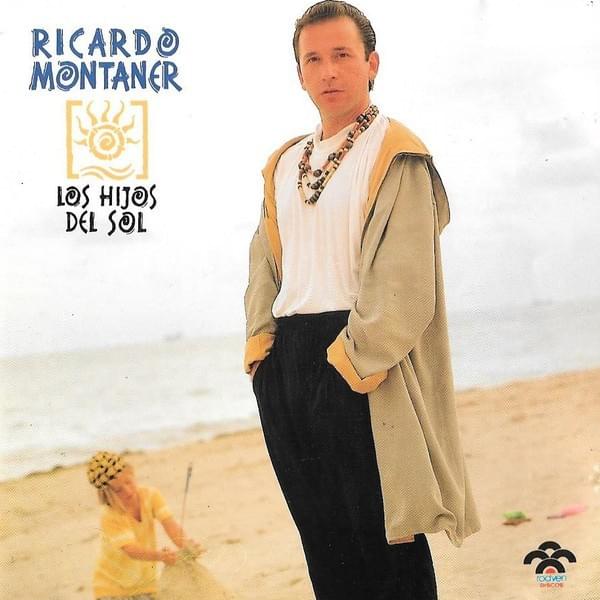
 View Artist