Song Meaning
Ricardo Montaner's rendition of "Moliendo Café" is more than just a Latin American standard; it's a melancholic study in cyclical sorrow. The lyrics paint a vivid picture: as daylight fades and shadows lengthen over the coffee plantations, a sense of quietude descends. But this isn't a peaceful stillness. It’s the kind of silence that amplifies the ache, the type that allows the old mill's mournful song to resonate even deeper. The return to the fields, and the return of the song, suggests a repetitive, inescapable emotional landscape. The song's title, literally "grinding coffee," becomes a metaphor for the grinding nature of grief itself. It is a task without end; an activity that is both productive, yet ultimately unsatisfying. The lyrics evoke a sense of unending labor, mirroring the protagonist’s internal state.
The introduction of 'zambo Manuel' transforms the abstract feeling into a human form. He's not just experiencing sadness; he *embodies* it. The lyrics specify that he carries "una pena de amor, una tristeza" – a pain of love, a sadness – explicitly linking his labor to a heartbreak. The repetitive action of grinding coffee throughout the night becomes a physical manifestation of his emotional burden. He's trapped in a cycle, tirelessly working as a means of coping with his "amargura" (bitterness). The coffee grinding, therefore, is not just a job, but a ritualistic attempt to process—or perhaps, to numb—the pain.
"Moliendo Café" transcends its simple melody, morphing into a poignant reflection on love, loss, and the human condition. It's a testament to Montaner's ability to tap into universal emotions, presenting sorrow not as a fleeting moment, but as an enduring state of being. The song's power lies in its ability to connect the physical act of labor with the intangible weight of heartbreak, suggesting that some wounds are so deep they require constant, unending effort to bear.
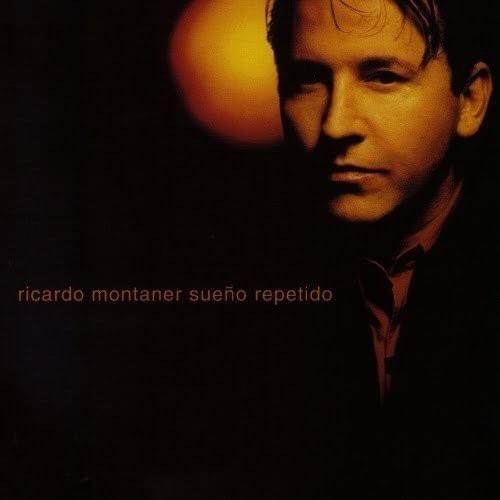
 View Artist