Song Meaning
Ricardo Montaner's "Lady Juan" paints a vivid portrait of an outsider navigating a world that struggles to understand them. The song's core lies in the tension between societal expectations and individual identity. "Lady Juan," with a name that itself blurs gender lines, is depicted as someone who frequents expensive perfumes and flees their hometown, suggesting a desire for transformation and escape from a past misstep. The lyrics highlight a fear of time and aging, hinting at an anxiety about acceptance and belonging in a world that prizes conformity. This fear is coupled with an inherent shyness, further isolating "Lady Juan" from the "pulcra multitud" (neat crowd) who point and stare.
The chorus, with its "Tonight luces y carmín / Tonight vida en bulevar / Tonight quiero ser feliz / I´m doing my way..." reveals a yearning for joy and self-expression. It's a declaration of independence, a refusal to be defined by the judgment of others. The use of English in "I'm doing my way" adds a layer of defiant individualism, perhaps referencing a broader cultural narrative of self-determination. This nightly ritual, draped in "luces y carmín" (lights and crimson), represents a constructed persona, a carefully curated performance of happiness in the face of societal disapproval.
Ultimately, "Lady Juan" is a poignant exploration of loneliness and the search for acceptance. The image of wrapping their head in tulle and going out into "La Boheme" evokes a sense of theatricality and vulnerability. It’s a quest for connection, a desire "que le quieran" (to be loved), masked by a carefully constructed facade. The song leaves us pondering the weight of societal judgment and the courage it takes to live authentically, even when faced with constant scrutiny. Montaner crafts a character who embodies the struggle for self-acceptance in a world that often demands conformity, inviting listeners to empathize with the complex emotional landscape of someone who dares to be different.
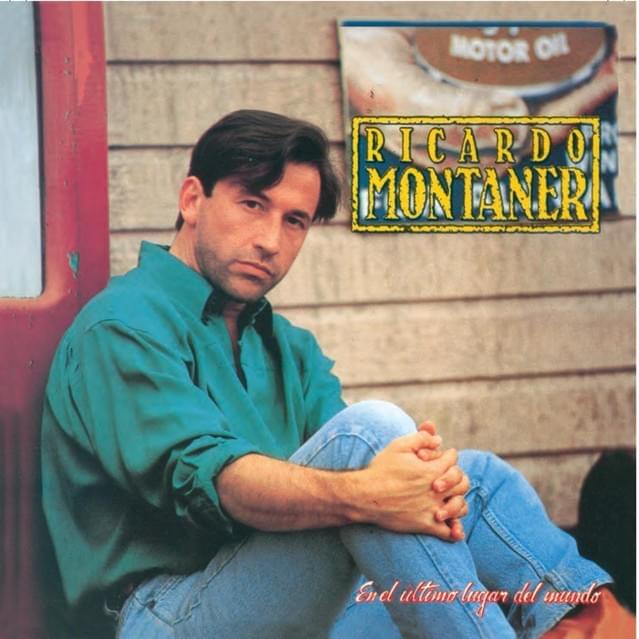
 View Artist