Song Meaning
Ricardo Montaner's "Hablan" isn't simply a song; it's an autopsy of a love affair, narrated by the ghosts of what remains. The lyrics suggest a space haunted by unspoken words and lingering sensations, where even inanimate objects—walls, sheets, ashtrays—bear witness to a relationship's slow decay. Montaner uses the recurring motif of "hablan" (they speak) to illustrate how the truth of their connection persists, even as the individuals struggle to articulate it themselves. It's a clever device, implying that the environment surrounding a dying romance absorbs the emotional residue like a sponge, later to be wrung out in the form of memories and regret. The 'silencios' are as condemning as any shouted accusation.
The core of the song meaning lies in the tension between confession and belatedness. The narrator pleads, "Déjame hablar" (Let me speak), but acknowledges that it's "muy tarde" (too late) to change the outcome. This creates a poignant sense of futility. The repeated admission, "La verdad es que te amé / Más que a mi vida" (The truth is that I loved you / More than my life), transforms into a desperate attempt to rewrite history, or at least to ensure that his profound affection is understood, even if it's unreciprocated or arrives too late to matter. The admission is amplified by the line "Más de lo que tú te imaginabas / Y más de lo que yo me imaginaba", suggesting his own love caught him by surprise.
"Hablan" also hints at a self-destructive pattern. References to "desvelos y las agonías" (sleeplessness and agonies) and "litros de café" (liters of coffee) paint a picture of obsession and emotional turmoil. The line "Cansado de hablar por hablar / De qué vale callar" (Tired of talking for the sake of talking / What's the point of staying silent) encapsulates the paradox of a relationship suffocated by both over-communication and a failure to address core issues. Montaner’s vocal delivery, presumably laden with characteristic emotion, likely underscores the overwhelming sense of loss and the struggle to find closure in the wreckage of love. The song ultimately serves as a melancholic reminder that even in the aftermath of a failed relationship, the echoes of love—and the pain of its absence—continue to speak volumes.
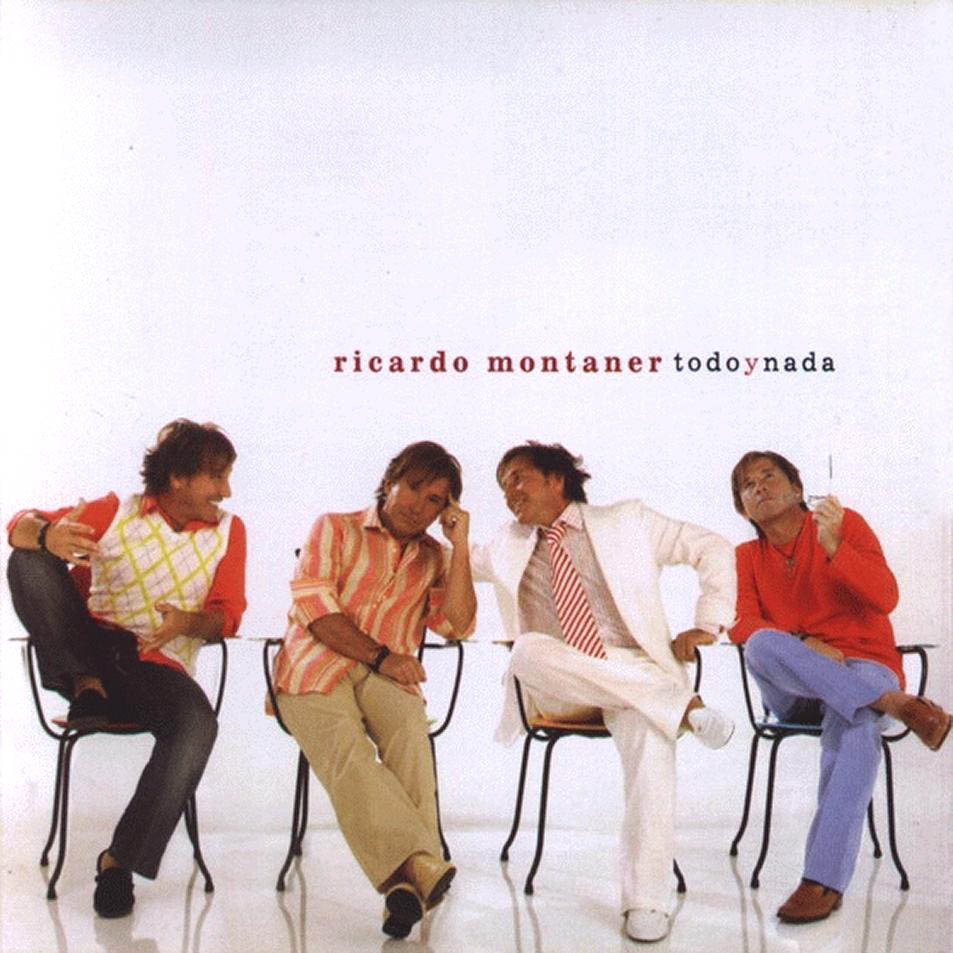
 View Artist