Song Meaning
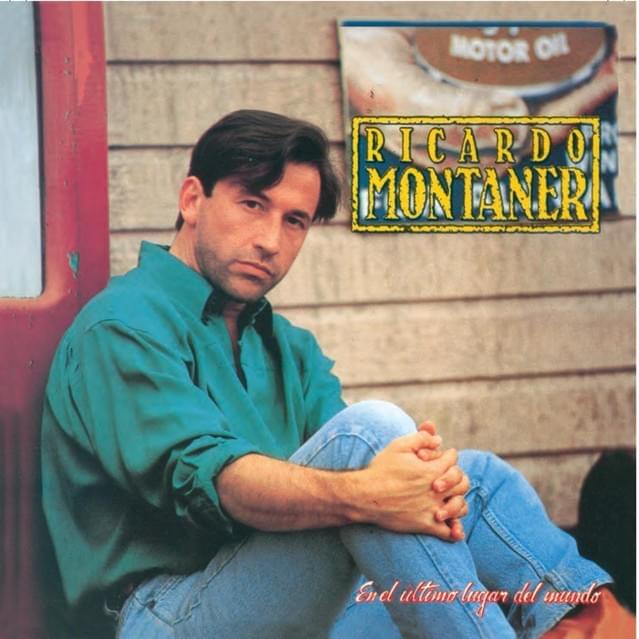
Ricardo Montaner's "En el último lugar del mundo" isn't just another love song; it's a raw, almost desperate declaration of dependence. The initial verses are a litany of excess: sunlit fields, naked moons, overflowing desire. He possesses abundance, even finding solace in Neruda's verses. Yet, this richness rings hollow, rendered meaningless without the presence and participation of his beloved. The lyrics paint a portrait of a man drowning in plenty, starved for connection. It's the classic romantic paradox: the world means nothing without *her*.
Montaner delves into darker emotional territory, acknowledging the surplus of sorrow and melancholic tunes in his life. The line "me sobra un día de cada semana, y sobro yo" (I have an extra day each week, and I am superfluous) is particularly poignant, revealing a deep-seated sense of worthlessness when separated from his love. This isn't simply missing someone; it's an existential crisis. The fear of causing her pain becomes a burden, highlighting the fragility of their bond and his own emotional vulnerability.
The chorus anchors this sentiment in a remote, almost mythical location – "the last place in the world." Here, beyond the mountain range, he would conceal his words and poems if she were to leave. This act of hiding suggests a fear of being exposed, of revealing the depth of his reliance on her. The final image of scattering his tears across the land so she might find his trail is both beautiful and unsettling. It speaks to a willingness to sacrifice pride, to leave a trail of vulnerability, solely to ensure their reunion. "En el último lugar del mundo" becomes a metaphor for the extreme lengths one will go to, the self he would shed, to maintain a vital connection.
 View Artist