Song Meaning
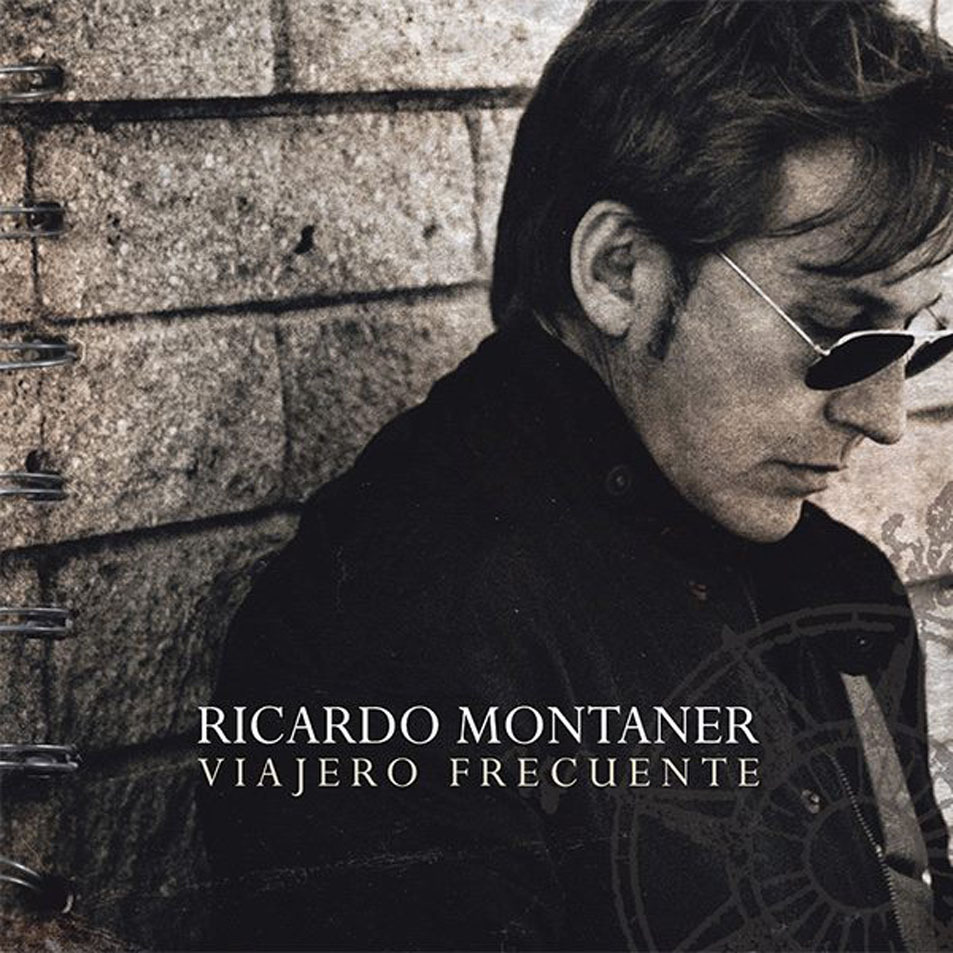
Ricardo Montaner's "Déjame Soñar" isn't just a love song; it's a plea for the very *possibility* of love. The lyrics are a cascade of desires framed as permissions: "Déjame cantar que estoy soñando / Déjame soñar que estoy cantando." This mirroring suggests a fragile, almost desperate hope, where the act of dreaming and singing become intertwined, essential for maintaining the illusion of connection. The speaker isn't demanding love, but rather begging to be allowed to experience its nascent stages, to nurture the fragile potential within the connection. It's a vulnerable stance, hinting at a past where such dreams may have been shattered. There's a delicate balance between yearning and fear of disappointment, a psychological dance familiar to anyone who's cautiously approached the precipice of love.
The repeated requests – for peace, for a touch, for a shared coincidence – paint a picture of a love built on small, cherished moments. It's not about grand gestures, but the subtle confirmations that fuel the speaker's hope. The line "Deja entrar la luz por la ventana / Y déjame abrigar una esperanza" is particularly potent. Light, a classic symbol of hope and truth, is being actively invited in, suggesting a conscious effort to dispel doubt and embrace the possibility of a brighter future with the object of affection. The lyrics underscore the act of consciously choosing optimism, even when vulnerability makes it difficult.
But the core of "Déjame Soñar" lies in the repeated entreaty: "Espera, ven conmigo / No rompas la ilusión / Espera otro poquito / Descubre que es amor." This isn't a confident declaration of love, but a fragile request for patience and understanding. The "ilusión" isn't necessarily a delusion, but rather the precious, formative stage of love where potential outweighs reality. The speaker understands that love requires time and nurturing, and they're imploring their partner not to prematurely extinguish the flame before it has a chance to truly ignite. The closing repetitions of "Nuestro amor, chiquito, bonito, bonito, bonito" reveal a tenderness and a profound appreciation for the small, beautiful thing they're trying to protect together. It's an admission of love's delicate infancy, and a hopeful prayer for its continued growth.
 View Artist