Song Meaning
Ricardo Montaner's "A donde vas mujer" isn't a simple love song; it's a portrait of regret and a desperate plea born from missed opportunities. The opening lines paint a scene of urban alienation: a woman crossing the street, shrouded in mist and her own visible anxiety. The narrator's immediate regret stems from letting her go without expressing the depth of his feelings. This initial hesitation haunts the entire song. The repeated question, "Adonde vas mujer," becomes a desperate, almost obsessive refrain. It's not just about knowing her destination, but about understanding the emotional direction she's taking – a path that clearly leads away from him. The line "me miraba de perfil y no pronunció palabra" is particularly cutting, suggesting a deliberate withholding, a silent communication of distance.
The lyrics hint at a deeper emotional wound the woman carries. Phrases like "se ha cortado el corazón" and "se dejó crecer la angustia" suggest she's nursing a profound heartbreak. The narrator's desire to intervene, to offer a "strategy" that might succeed this time, implies a history of failed attempts to connect with her. He recognizes her pain, perhaps even feels responsible for it, and is now driven by a desperate need to prevent further suffering. The urgency escalates as the song progresses, with the narrator emphasizing the lateness of the hour and the threat of impending rain, metaphors for the emotional storm brewing within her.
Ultimately, "A donde vas mujer" is a study in the psychology of longing and the paralysis of inaction. It explores the universal fear of losing someone not necessarily through physical absence, but through emotional detachment. The song's power lies in its raw vulnerability, the narrator's willingness to expose his own regrets and anxieties as he watches this woman drift further away. The repetition of "Para acá, para acá..." underscores his fervent, almost pleading desire for her to turn back, to choose a path that leads toward him and away from the pain that consumes her.
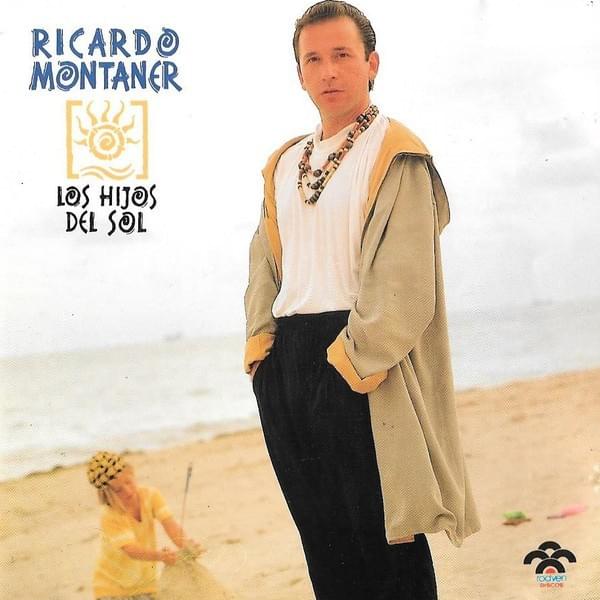
 View Artist