Song Meaning
The lyrics paint a stark picture of desperation and parental anxiety centered around a son named Husein. The narrator recounts giving money to Ibrahim, seemingly for Husein to buy heroin, and the constant worry that Husein might be arrested. The setting of Gnjilane, a place Husein is meant to return to, becomes a focal point of this fear. The narrator's plea to the judge, "Da Хусеин буде на слободи" (So Husein can be free), underscores the gravity of the situation.
The central tension lies in the narrator's conflicting desires and fears. They need Husein to bring back drugs, as indicated by the instruction "Да купи кило, два" (To buy a kilo, two), yet they are terrified of him being caught. This fear is amplified by the mention of "бели прах" (white powder) found at customs, suggesting Husein is in serious trouble. The narrator's internal conflict is palpable, oscillating between a need for the transaction to succeed and the overwhelming dread of its consequences.
The lyrics employ a raw, almost conversational tone that heightens the emotional impact. The shift from pleading with the judge to aggressive defiance – "Ма, хтео ти ил' не / Ма, ко те јебе, бре" (Whether you want it or not / Who the hell cares about you, man) – reveals a deep-seated desperation. This outburst suggests a loss of faith in the system and a primal urge to protect their child, regardless of the circumstances or the law.
This narrative's effectiveness stems from its unflinching portrayal of a parent's anguish in a dire situation. The specific details, like the mention of "Божур цвеће, стигао је јул" (Peony flowers, July has arrived), juxtaposed with the grim reality of drug trafficking and potential imprisonment, create a powerful sense of tragic irony. The repeated desire for Husein's return to Gnjilane serves as a constant reminder of what is at stake: family, safety, and a semblance of normalcy.
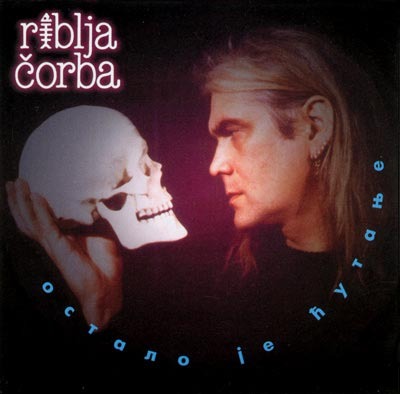
 View Artist