Song Meaning
The lyrics paint a stark picture of sudden heartbreak, opening with the shock of an unexpected goodbye that leaves the narrator stunned and fixated on a silent phone. The initial disbelief quickly gives way to the crushing reality of separation, a stark contrast to the narrator's past belief in an enduring future together. This abrupt end shatters the foundation of their shared existence, leaving them adrift in the aftermath.
The central tension lies in the narrator's inability to even find solace in dreams, a profound indicator of their despair. The repeated phrase "夢さえも見れない" (Yume sae mo mirenai - "I can't even see dreams") underscores a complete loss of hope and escapism. This isn't just sadness; it's a void where even imagination fails, leaving them trapped in the raw pain of the present and the hollow echo of the past.
The imagery of tears washing away makeup and a reflection in the mirror creates a poignant, almost detached observation of personal sorrow. The narrator seems to be watching themselves grieve, a disassociation that highlights the depth of their emotional paralysis. The contrast between the memory of intimacy ("くちづけも 二度とかわせなくて" - "can't exchange kisses twice again") and the present inability to dream or even recall the person's voice and touch emphasizes the devastating finality of the separation.
Ultimately, the lyrics resonate through their raw portrayal of absolute emotional desolation. The narrator clings to a fragile hope for a "tomorrow's wind" as the only certainty, a testament to the human need for some anchor, however small, in the face of overwhelming loss. The final lines suggest a painful, yet perhaps necessary, transformation, where even the inability to dream becomes a catalyst for a new, albeit sorrowful, self.
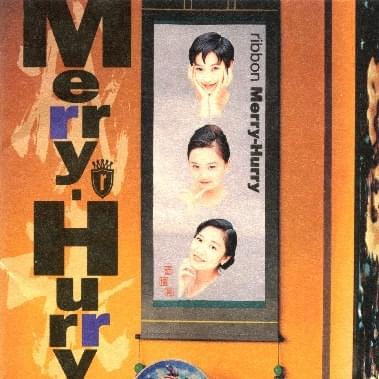
 View Artist