Song Meaning
The lyrics paint a picture of a tense, stalled interaction, possibly a romantic one, where both parties feel "out of place." There's a sense of unease, with "raining on this race" and "written on your face," suggesting a shared discomfort or a visible sign of distress. Yet, the narrator offers a strange kind of solace, "Bring your songs to me / I'm not afraid to hear them / I'm not afraid to heal them," positioning themselves as a patient listener ready to mend what's broken.
The core tension lies in a power struggle disguised as a waiting game. The narrator oscillates between offering an olive branch and asserting control. Initially, they state, "You kept me waiting / I'll count to five first," implying a passive-aggressive response to being kept waiting. This shifts dramatically in the second chorus where the narrator declares, "I'll keep you waiting / Make you move first," taking the reins and dictating the pace of the interaction. The repeated question, "How do you feel?" underscores the narrator's desire for an emotional response or confession from the other person.
The most striking element is the strategic use of "waiting" and "counting." The narrator transforms a potentially vulnerable position of being kept waiting into an opportunity to control the situation. By deciding to "count to five" or to "keep you waiting," they are not just reacting but actively shaping the dynamic. This is further emphasized by the desire to "change" and "chase," indicating a complex push-and-pull where the narrator wants the other person to initiate, to reveal their feelings, and to actively pursue them, even as they hold back.
Ultimately, these lyrics resonate because they capture the frustrating, often unspoken dance of desire and insecurity. The narrator's shifting tactics—from offering to heal to deliberately prolonging the suspense—reveal a deep-seated need for control and a yearning for the other person to make a definitive move. The repeated phrases create a hypnotic effect, mirroring the cyclical nature of their emotional standoff, making the listener feel the weight of unspoken expectations and the anxiety of the prolonged pause.
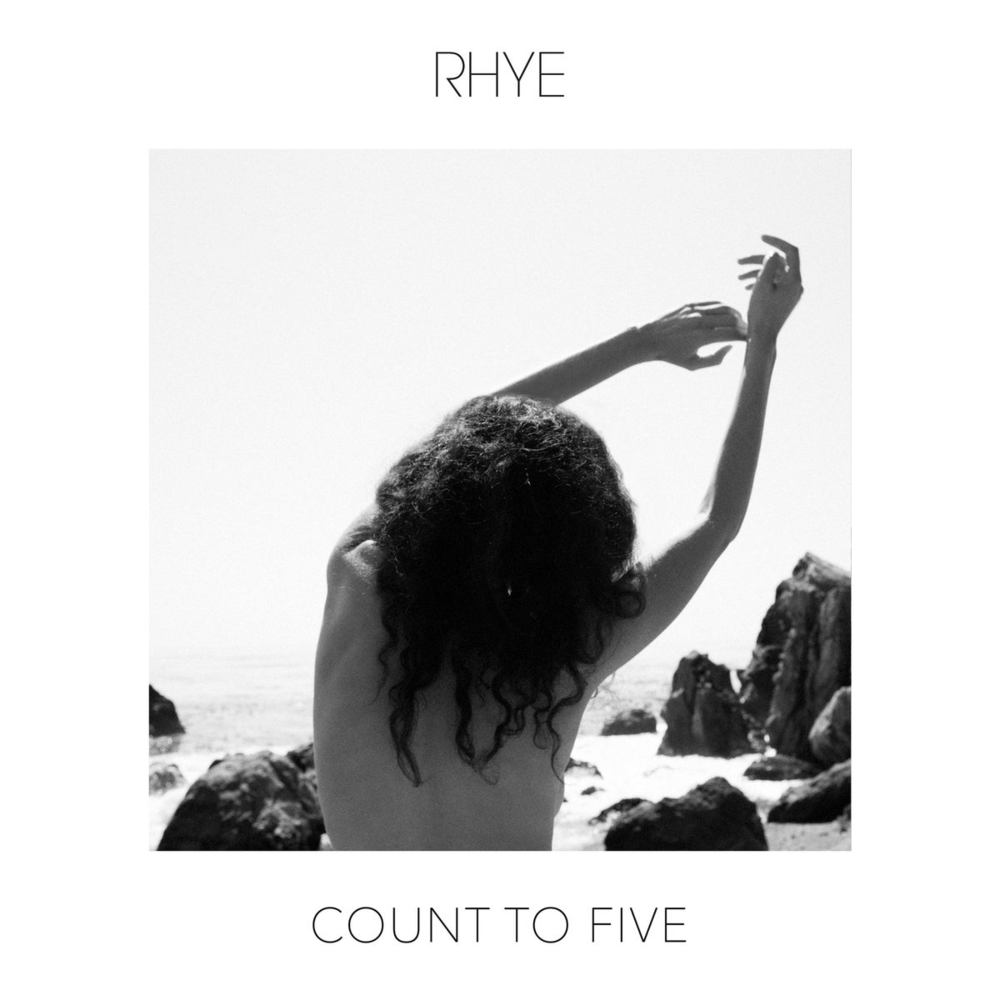
 View Artist