Song Meaning
Rhonda Vincent's "Just For Old Times Sake" isn't just a country ballad; it's an exercise in the psychology of denial and the desperate bargaining that follows a breakup. The song meaning hinges on the central plea: a request, cloaked in nostalgia, to rewind to a past that likely never existed as rosily as the narrator remembers. The repeated line, "Just for old times sake, turn back the hands of time, pretend that you're still mine," reveals a yearning not just for the lover, but for a former version of the self, one that felt secure and loved. It's a potent cocktail of longing and perhaps a touch of delusion.
The second verse digs deeper into the denial. While acknowledging the goodbye, the narrator immediately pivots to fixating on "how it used to be." This isn't a healthy reflection; it's a form of emotional avoidance. The lines, "I guess I'll always be in love with you / I can't forget the things we used to do," aren't romantic declarations as much as admissions of being stuck in the past. The narrator seems unable or unwilling to process the finality of the separation, choosing instead to remain tethered to idealized memories. The belief that a single kiss could reignite the flame and prompt a "brand new start" is a classic symptom of this denial, a desperate clinging to the hope that feelings are mutual and easily rekindled.
Ultimately, "Just For Old Times Sake" exposes the vulnerability and self-deception that often accompany heartbreak. It's a raw portrayal of someone grappling with loss, desperately trying to negotiate with reality to avoid the pain of acceptance. The seemingly simple request to "pretend" becomes a window into a complex emotional landscape, highlighting the human tendency to romanticize the past and cling to fading illusions in the face of rejection. The song becomes a powerful statement about the human condition and our difficulty in letting go.
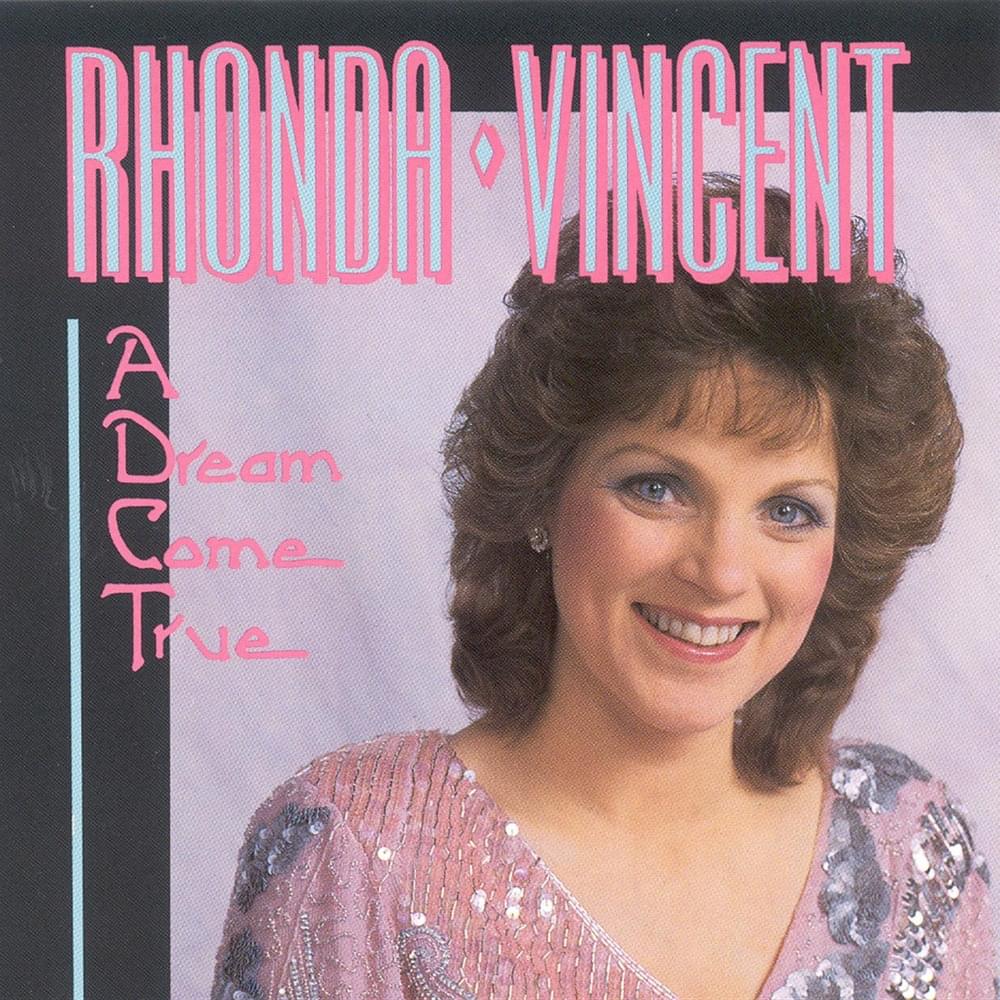
 View Artist