Song Meaning
Rhonda Vincent's "Caught In The Crossfire" isn't just a bluegrass lament; it's a child's-eye view of familial collapse, rendered with devastating simplicity. The song avoids melodrama, opting instead for the stark reality of a young narrator caught between warring parents. Born into a June of some unspecified year, the child's innocence is immediately juxtaposed with the adult turmoil surrounding them. The seemingly simple prayer for a "happy home" becomes a gut-wrenching plea, amplified by the child's awareness of the parents' hidden pain – the mother's clandestine tears, the father's suppressed sorrow. The lyrics masterfully capture the child's burgeoning understanding of a world fracturing around them, a world where "something isn't right" despite their desperate yearning for normalcy.
The chorus is the crux of the song's emotional power. The child is not merely a witness but a casualty, trapped in a "war that can't be won." The lines "Mom calls me her little man, Daddy's only son" highlight the unbearable weight of expectation placed upon the child, each parent unknowingly weaponizing their affection. The impossibility of choosing "which one to leave behind" underscores the inherent unfairness of the situation. It's a lyrical representation of the psychological tightrope children of divorce are forced to walk, balancing allegiances and affections in a space riddled with unspoken resentments.
Ultimately, "Caught In The Crossfire" transcends its specific narrative to become a broader commentary on the fragility of family and the unseen wounds inflicted upon children during parental conflict. The plea for a simple prayer, the recognition that the speaker is "one of the millions from a broken family," transforms the personal into the universal. The song's genius lies in its understated approach, allowing the raw emotion of the situation to resonate without resorting to sentimentality. Rhonda Vincent doesn't offer solutions or platitudes; she simply lays bare the heartbreaking reality of a child caught in the wreckage of adult decisions, a stark reminder of the collateral damage in domestic disputes.
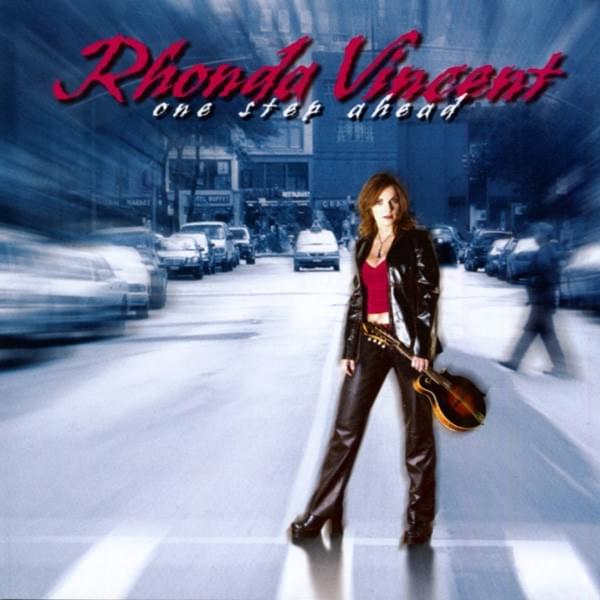
 View Artist