Song Meaning
The lyrics present a raw, almost primal desire for a societal upheaval, specifically a "class war." The narrator explicitly states, "I, I wanna war, between the rich and the poor," and "I wanna fight and know what I'm fighting for." This isn't just a passive observation; it's an active yearning for conflict that has a clear ideological basis. The immediate emotional tone is one of frustration and a demand for clarity in the face of perceived injustice.
The central tension arises from the narrator's insistence on defining this conflict by class rather than other divisions. The line, "If I'm told to kill / A Cuban or African / There'll be a class war / Right here in America," is particularly striking. It suggests a rejection of racial or ethnic scapegoating, instead redirecting the potential for violence towards a systemic economic divide. The lyrics frame this class war as an inevitable, inescapable event, especially when it "comes to town," using the specific setting of "L.A." and a collapsing "City Hall" as a backdrop for this impending doom.
The most potent aspect of the craft here is the relentless repetition of "Class war." This isn't just a chorus; it's an incantation, hammering home the central theme with an almost hypnotic intensity. The variation "This war, that war / Class war, last war" further emphasizes the idea that this specific class conflict is the ultimate, defining struggle, superseding all others. It creates a sense of urgency and finality, suggesting that all other conflicts are mere preludes to this one.
Ultimately, the effectiveness of these lyrics lies in their bluntness and unwavering focus. By stripping away nuance and directly articulating a desire for a fundamental societal reset, the song taps into a visceral frustration with economic inequality. The repetitive structure and stark imagery create an atmosphere of impending chaos, making the call for a "class war" feel less like a political slogan and more like an unavoidable, almost elemental force.
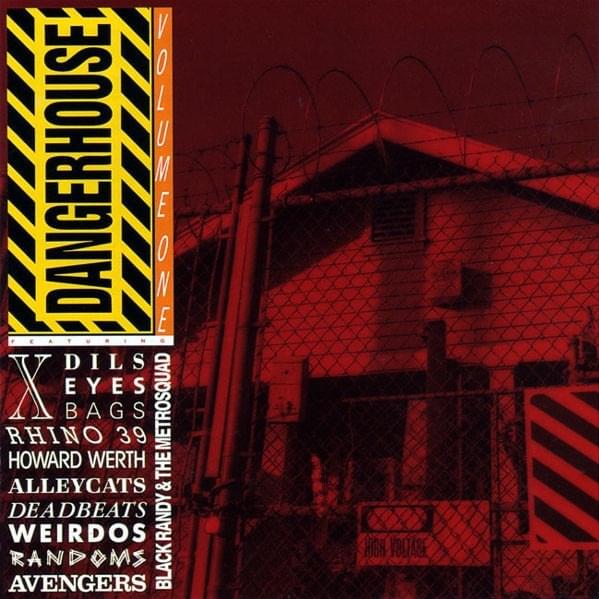
 View Artist