Song Meaning
The lyrics paint a picture of lingering nostalgia, where the remnants of past joys have become sources of sorrow. The narrator observes how the transient beauty of Christmas has faded, leaving behind only broken toys and muted colors, a stark contrast to the vibrant memories they once held. This sense of loss is amplified by a visceral dislike for places like graveyards and pawn shops, which are described as actively stealing away these precious childhood mementos. It's a poignant reflection on how time erodes even the most cherished experiences.
The central tension lies in the irretrievable nature of memories, framed as 'souvenirs' that cannot be purchased or earned. The narrator laments that these hard-won memories, accumulated over years, have inexplicably vanished. This feeling of helplessness is compounded by the pain associated with revisiting past relationships, symbolized by old love letters that bring tears and steal away 'sweetheart's souvenirs.' The lyrics suggest a deep-seated grief over lost connections and the passage of time.
What's particularly striking is the consistent parallel drawn between tangible decay and emotional loss. The 'broken toys and faded colors' mirror the 'broken hearts and dirty windows,' both obscuring clarity and diminishing the vibrancy of life. The repeated phrase 'always bring me tears' and the inability to 'forgive the way they rob me' underscore the profound emotional impact of these lost 'souvenirs.' The narrator feels actively plundered by the very things that should represent happy times.
Ultimately, the effectiveness of these lyrics stems from their direct, unadorned language that captures a universal feeling of looking back with regret. The simple, almost childlike imagery of 'broken toys' and 'faded colors' grounds the abstract pain of lost memories in relatable, tangible objects. The chorus’s straightforward declaration that memories 'can't be boughten' and the narrator's bewildered question, 'I don't know how they slipped away from me,' resonate because they articulate a common, yet often unspoken, sorrow over the ephemeral nature of our most treasured moments.
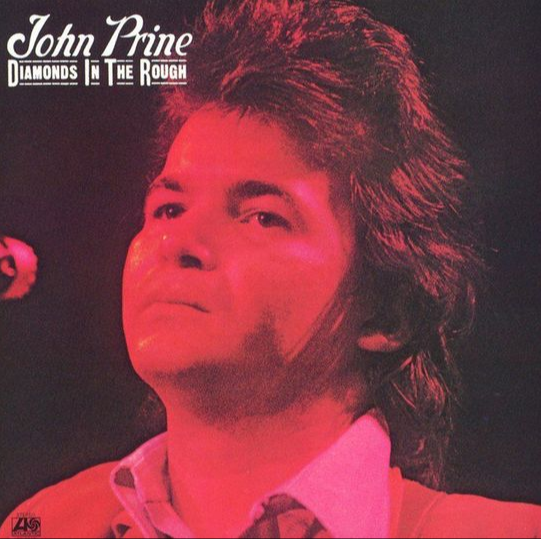
 View Artist