Song Meaning
The narrator is desperately pleading for a chance at life and love, framing it as a matter of survival. The opening lines establish a direct appeal, contrasting a past version of himself with his present self, who is still present and seeking affection. This plea is urgent, a raw demand for connection: "Could you give it to me now." The core of the song is this intense desire to simply exist, to "see tomorrow," but with a crucial qualifier: seeing tomorrow is only meaningful if it includes the object of his affection.
The central tension lies in the narrator's perceived obsolescence and his fight against it. He references a past self, "the one you used to have," who has vanished, suggesting a loss or a change that has left him feeling adrift. This is juxtaposed with his current self, who is actively seeking a "kiss" and the "love you give." The lyrics hint at external pressures, like "working for the man," that consume time and opportunities, further fueling the narrator's fear of time running out and his desperate need for present affirmation.
The most striking element is the relentless repetition of "I want to live." This isn't just a casual wish; it's a mantra of survival, amplified by the insistent "yeah yeah yeah" that follows. The phrase "see tomorrow" becomes a proxy for continued existence, but its ultimate purpose is revealed: "So I can see you tomorrow." This reframes the desire for life from a solitary pursuit to one entirely dependent on the presence and reciprocation of another person, highlighting a profound emotional reliance.
This lyrical construction creates a potent emotional impact by stripping away complexity and focusing on fundamental needs: life and love. The direct, almost childlike repetition of "I want to live" bypasses intellectualization and hits at a primal level. The conditional nature of his desire for life—it's only valuable if shared—makes the plea deeply personal and vulnerable, forcing the listener to confront the raw stakes of connection and the fear of being left behind.
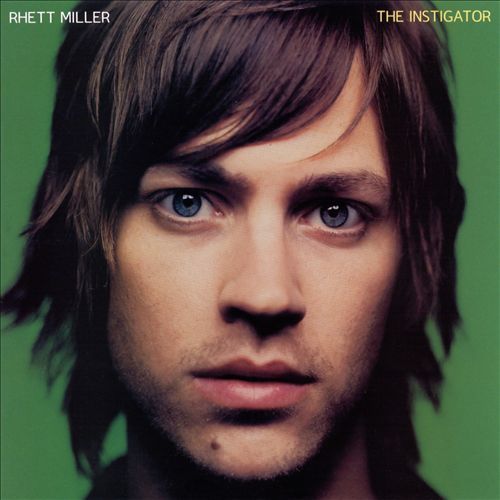
 View Artist