Song Meaning
The narrator is meticulously planning an escape, hoarding resources – mind, money, and sex – for a future departure. This isn't a spontaneous decision; it's a calculated move, a promise made and broken before, but this time, the resolve feels absolute. The destination is Vancouver, a symbolic endpoint on the western edge of the country, a place that feels both distant and tantalizingly close to another dream, L.A. The imagery of a Greyhound bus traversing the prairies paints a picture of a long, arduous, but determined journey.
There's a palpable tension between the desire for escape and the lingering connection to home. The narrator acknowledges the possibility of never returning, a stark contrast to the hopeful, almost wistful, thought that home is "somewhere near." This push and pull suggests a deep-seated need for change, even if it means severing ties. The phrase "youthful optimists!" hints at external skepticism, a doubt the narrator is determined to overcome by proving them wrong.
The most striking element is the narrator's almost ritualistic preparation, saving everything for this one big move. The repetition of "I know that I have said this before" underscores the weight of past failures and the immense pressure to succeed this time. The idea of returning "back east in an ebb tide of history, to refind and old found land" suggests a quest not just for a new life, but for a lost sense of self or purpose, a reclamation of something forgotten.
This song resonates because it captures the universal yearning for a fresh start, the quiet desperation of planning a grand exit. The detailed, almost obsessive, saving of resources and the firm declaration of intent, despite past stumbles, make the narrator's ambition feel raw and relatable. It's the sound of someone betting everything on a future they've meticulously constructed in their mind, hoping this time, the dream will stick.
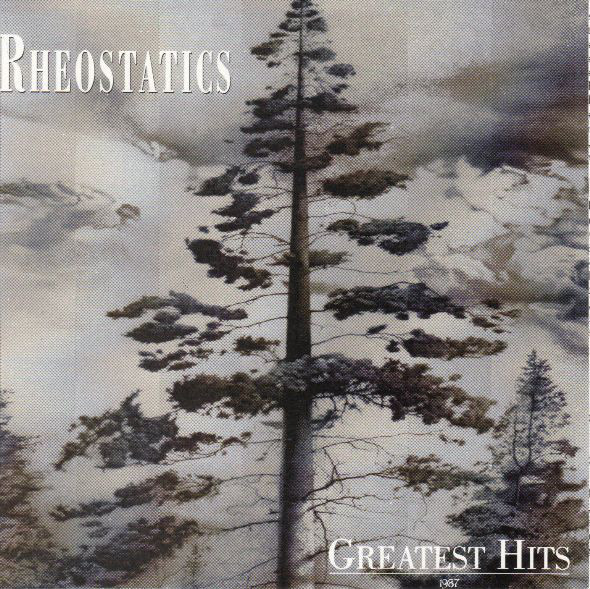
 View Artist