Song Meaning
These lyrics paint a vivid, intimate portrait of a mother and her children on a quiet afternoon. The scene is simple: an "eleven a.m. trip" to a "grassy little stop" near their home. It's a moment of domestic routine, imbued with a gentle, almost melancholic tenderness.
The central tension emerges from the mother's quiet burden. She appears "looking tired," feeling "weighted under" by responsibilities, perhaps because "no one else brought food." This weariness is contrasted with the clear, enduring bond within the family, noted by the shared "same eyes" and the simple declaration, "And they love each other, too." The imagery of "no one else around" and the "TV drags her down" further emphasizes her isolation and the quiet drain of her daily life.
A striking shift in perspective occurs with the line, "I aspire to work so hard / All the gold is buried in the park." This sudden first-person voice suggests an observer reflecting on the scene, finding profound meaning in the ordinary. The "gold" here isn't literal wealth but seems to represent the hidden value, the quiet rewards, or the deep purpose found within the seemingly mundane efforts and sacrifices, perhaps even those of the tired mother.
Ultimately, the lyrics are effective because they ground universal themes of family, love, and quiet sacrifice in specific, unvarnished details. The repetition of "A mother and her kids" and the visual of them "Walking hand in hand in hand" reinforces the enduring connection, making the mother's quiet struggle all the more poignant against the backdrop of their shared, loving presence. It's a testament to the profound beauty found in everyday moments.
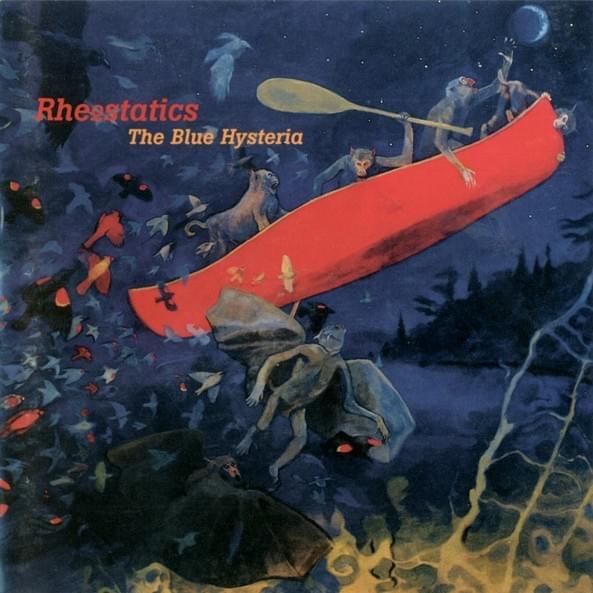
 View Artist