Song Meaning
The lyrics paint a picture of someone who has always felt like an outsider, even in the realm of love, which is often described as paradise. The narrator explicitly states, "I've always been a stranger all my life," setting a tone of profound alienation. This feeling of being out of place isn't just external; it's deeply internal, a core part of their identity.
The central tension arises from a transformative encounter. Someone enters the narrator's life, teaching them "how to feel again" and offering unconditional love despite the narrator's initial "loathed" feelings. This external love becomes the catalyst for confronting the "stranger in me," suggesting an internal battle with self-worth or emotional capacity that is only now being addressed.
The most striking aspect is the recurring contrast between "paradise" and "stranger." Love, typically seen as idyllic, is where the narrator feels most out of sync. The lyrics pose a question about the reality of this newfound connection: "Is this a dream or just a fantasy?" Yet, the overwhelming emotion is a desperate need to hold onto this person, fearing they will be "lost without you."
This piece resonates because it articulates a common, yet rarely expressed, fear of not belonging, even in moments of supposed bliss. The vulnerability in admitting to being a "stranger in love" and the subsequent plea to "let my paradise be you" grounds the abstract concept of love in a tangible, human need for connection and acceptance. The writing effectively captures the fragile hope that love can, in fact, create a sense of home for those who have always felt adrift.
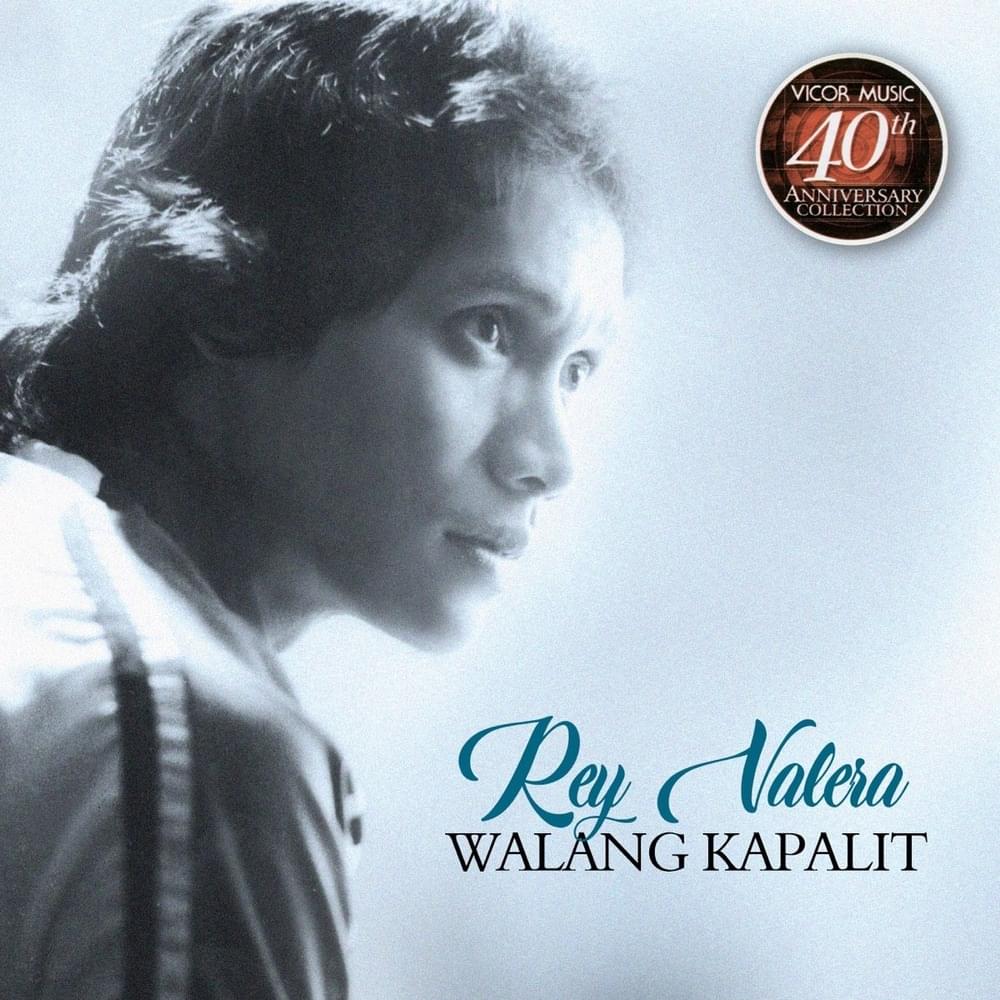
 View Artist