Song Meaning
The lyrics paint a picture of someone desperately trying to mend a rift, caught in a cycle of apology and confusion. The narrator observes their partner's silence, questioning if a specific action or word caused offense. This initial uncertainty sets the stage for a plea for understanding, highlighting the pain of being ignored and the struggle to know how to fix it. The core of the song lies in this anxious attempt to bridge a gap that feels insurmountable.
The dominant emotional tension arises from the narrator's fear of loss versus their apparent inability to control their own actions or words. They express a deep-seated inability to bear the thought of their partner leaving, stating, "'Di ko kaya" (I can't handle it). Yet, this fear is juxtaposed with repeated admissions of unintentional missteps: "May nasabi man ako sa 'yong 'di tama" (I may have said something wrong to you). This creates a poignant conflict between genuine affection and a perceived lack of self-awareness or control.
The most striking aspect of the craft is the relentless repetition of the phrase "'Di ko ito sinasadya" (I didn't mean it). This refrain acts as both a defense and a plea, underscoring the narrator's perceived innocence while simultaneously highlighting their helplessness. The simple, direct confession, repeated after every mention of wrongdoing, emphasizes the sincerity of their regret but also the frustrating pattern of their behavior. It’s a linguistic anchor that grounds the entire emotional landscape of the song in a single, repeated sentiment.
Ultimately, the effectiveness of these lyrics stems from their raw, almost childlike vulnerability. The narrator isn't offering complex justifications; they're simply expressing distress and a desperate need for reconciliation. The focus on the immediate pain of being ignored and the confusion over how to appease their partner makes the sentiment feel immediate and relatable, even without knowing the specific context of their conflict.
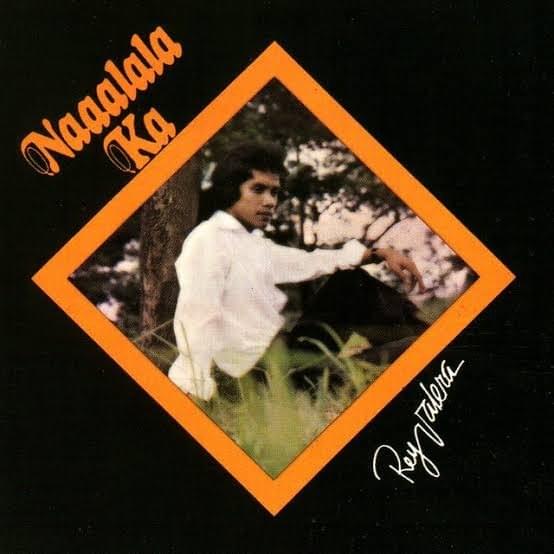
 View Artist