Song Meaning
The narrator invites someone to relax and let time slip away, a simple act that feels profound because he admits feeling good is rare for him. This sets up a core tension: his usual internal struggle versus a present moment of contentment. The repeated phrase "No me hace falta más" (I don't need anything more) becomes the central thesis, directly tied to the presence of "tú y tu sombra" (you and your shadow) and the intimate, almost exploratory, "inventarme caminos bajo tu ropa" (inventing paths under your clothes).
The lyrics articulate a powerful sense of sufficiency found in a specific connection. The narrator declares he needs nothing beyond this person and the shared experience, even extending this to a hypothetical "otra vida" (another life) where he'd simply want "alguien con quien vivirla" (someone to live it with). This isn't just about romantic love; it's about finding a grounding presence that makes simple moments, like watching the day end, feel significant and rare.
The most striking craft element is the juxtaposition of his usual difficulty in feeling good with the present ease. He explicitly states, "me siento bien eso es difícil en mí" (I feel good, that's difficult for me), making the simple act of "tomemos algo, dejemos la vida pasar" (let's have a drink, let life pass by) a significant achievement. The gamble of "apostar" (betting) and the shared sentiment "yo no me lo quiero perder" (I don't want to miss it) suggest a conscious choice to embrace this feeling and this person, highlighting the value placed on this connection.
This song resonates because it captures the quiet revelation that true contentment isn't about acquiring more, but about recognizing when you already have enough in a single, profound connection. The narrator’s admission of his own difficulty in feeling good makes the present moment of peace and sufficiency feel earned and deeply personal, grounding the abstract idea of needing nothing more in the concrete intimacy of shared presence and exploration.
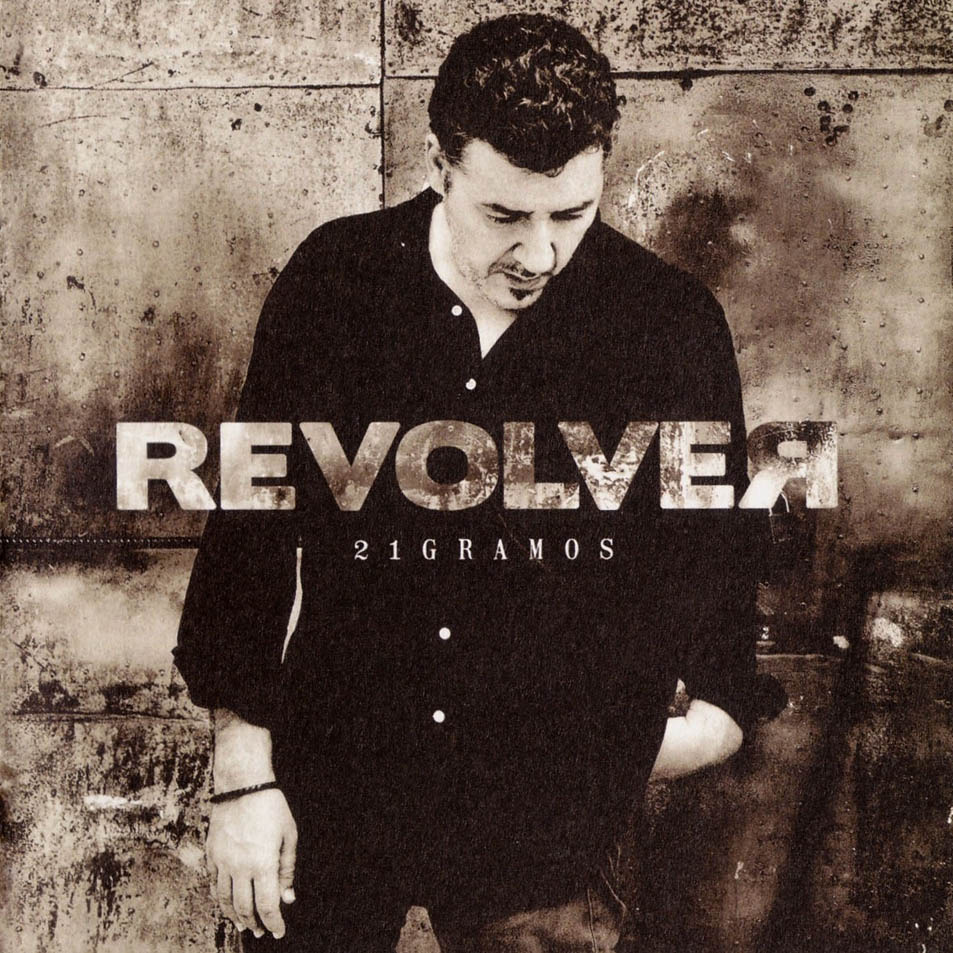
 View Artist