Song Meaning
The lyrics paint a stark picture of a post-apocalyptic world, immediately establishing a tone of devastation and existential dread. The narrator questions the survival of humanity, observing a world irrevocably changed by a catastrophic event. The sky is no longer blue, and radioactive fallout is a constant, pervasive threat, leading to profound uncertainty about the future of life on Earth. This opening sets a somber, almost bleak stage for the unfolding narrative.
Amidst this ruin, a flicker of life emerges, albeit in a disturbing form. The narrator finds a creature, or at least its remains, beneath ashes, with eyes that glow with an intense red light. This image is central to the song's tension, contrasting the overwhelming destruction with a persistent, perhaps mutated, form of existence. The 'red light' is both a sign of life and a warning, a beacon in the darkness that raises more questions than it answers.
The core of the song lies in the narrator's struggle to comprehend this new reality and its origins. They grapple with whether this surviving entity is a divine creation or a product of the very disaster that annihilated everything else. This theological and biological uncertainty fuels a dreamlike contemplation of the future, suggesting that this 'final lifetime' might be a new beginning, however grim. The bridge further deepens this philosophical quandary, questioning free will versus predetermined fate in humanity's self-destruction.
Ultimately, the effectiveness of these lyrics stems from their potent imagery and the raw, unanswerable questions they pose. The contrast between total annihilation and the persistence of a strange, glowing-eyed life creates a haunting resonance. The narrator’s direct address and internal debate about creation and destiny, grounded in the visceral details of a radioactive wasteland, leave the listener pondering the very nature of survival and the consequences of our actions.
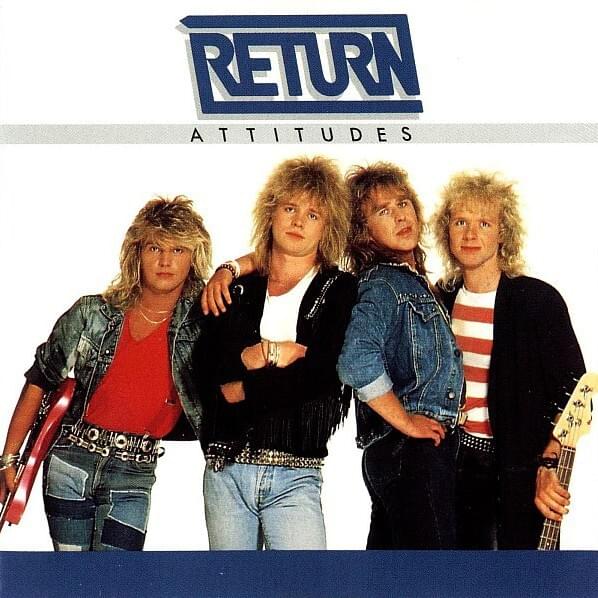
 View Artist