Song Meaning
The lyrics paint a surreal, almost dreamlike portrait of "Gaio," a character or entity that seems to exist in a manufactured, artificial reality. The "red plastic track" and "plastic blonde woman" immediately establish a sense of artifice, where Gaio "jumps and gets the shock." This suggests an engagement with a world that is not entirely real, perhaps even dangerous or disorienting, yet Gaio seems to thrive or at least exist within it with a peculiar relationship to the narrator.
The central tension lies in Gaio's paradoxical existence and the narrator's fascination with it. Gaio experiences life with "curtains and little balls" and "peels himself and gives away little bubbles," engaging in activities like drinking water and eating caviar, which juxtaposes a sense of luxury with a potentially fragile or self-destructive nature. The repeated phrase "Se è gaia che gaia / È una mossa capitale" (If Gaio is happy, that happiness is a capital move) emphasizes the significance and perhaps the calculated effort behind Gaio's state of being, hinting that this happiness is a crucial, defining action.
The writing uses striking, often jarring imagery to convey Gaio's state. The idea of "seeing his hours with a spoon" and "losing his warmth under the habit" creates a sense of distorted perception and emotional detachment. The line "Gaio that loves even if sex were steel" is particularly potent, suggesting a capacity for affection or connection that transcends even the most rigid or unyielding forms of interaction. This is further amplified by the image of being "naked in January with summer fur," a clear contradiction that underscores Gaio's unnatural or dislocated existence.
What makes these lyrics so compelling is their refusal to offer easy explanations, instead leaning into evocative, fragmented scenes. The narrator's declaration, "But I myself love your infernal body," directed at what is then called "an artificial woman," reveals a deep, perhaps transgressive, attraction to this manufactured, paradoxical being. The lyrics don't explain Gaio's nature but rather immerse the listener in the strange, captivating atmosphere surrounding this artificial entity and the narrator's complex response to it.
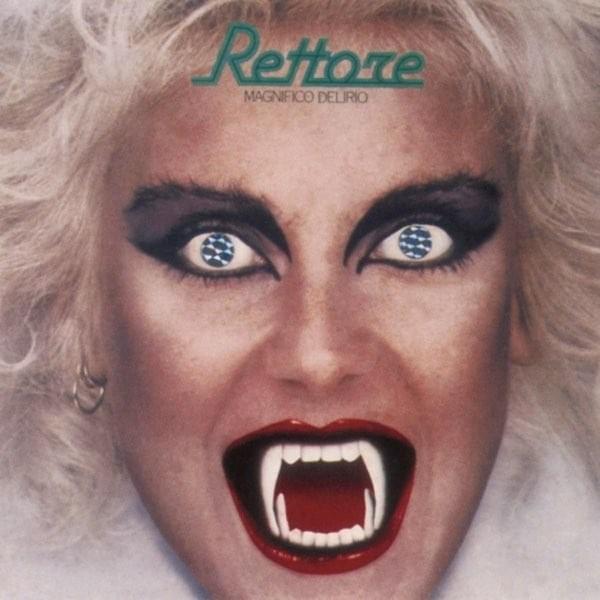
 View Artist