Song Meaning
This is a declaration of radical self-possession, a defiant break from an oppressive past. The narrator finds pleasure and life not in external validation, but in the sheer force of their own will, moving "across these fields" as a metaphor for unfettered freedom. The opening lines establish a tone of determined independence, a personal quest for satisfaction that requires no external approval. It’s about reclaiming agency and choosing one's own path, even if that path involves leaving behind the expectations of others.
The central tension lies in the stark contrast between the narrator's newfound liberation and the perceived "disaster" and "lie" of those they've left behind. The lyrics suggest a painful rupture, a severing of ties where the narrator feels they were misunderstood or misrepresented ("not their son"). This isn't just about leaving; it's about actively rejecting the narrative imposed upon them, declaring their existence as something separate, even a "memory" to those who can't comprehend their transformation.
The repeated assertion, "Here I am alive," acts as an anchor, a visceral affirmation of selfhood against the "hold they had on me." This refrain, coupled with the declaration of rights and freedom from "walls and misery," underscores the profound relief and joy found in this emancipation. The imagery of drinking "the cup to the full" and claiming "the world is mine" paints a picture of complete, unadulterated self-fulfillment, achieved by escaping external control and embracing an internal sense of being.
Ultimately, the power of these lyrics stems from their raw, unvarnished expression of liberation. The narrator’s journey isn't about seeking permission or understanding, but about the profound, almost spiritual, satisfaction of finally being free to define oneself. It’s a potent reminder that true aliveness can be found in the courage to break away and claim one's own space, even if it means becoming a memory to others.
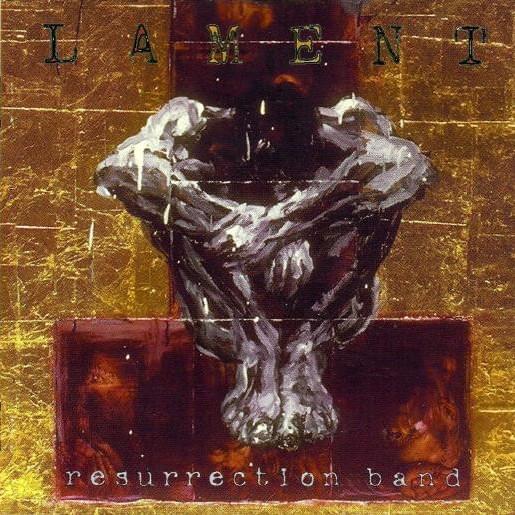
 View Artist