Song Meaning
This track kicks off with a disorienting mix of nostalgia and social commentary, painting a picture of a specific time, "del noventa y cinco," marked by a certain kind of media presence. The narrator seems to be grappling with a disconnect between appearances and reality, noting "Sin huarache y memo / No sellevandalismo no es lo mismo." There's a sense of disillusionment, a feeling that things aren't what they seem, especially when it comes to authenticity and value.
The core tension here appears to be between external pressures and internal conviction. The lyrics present a stark contrast between societal expectations or perceived norms and the need for independent thought. Phrases like "Si la vendemente de amarte a mearte / Yo prefiero no mirarte" suggest a rejection of something that feels disingenuous or perhaps even exploitative, leading to a desire to disengage. This is amplified by the direct command, "Think 4 yourself piensa por ti mismo."
The repeated motif of colors, "Blanco nos dieron" and "Verdes no las mosquitas," alongside the stark "Blanco te entierranas," hints at a deeper commentary on perception and perhaps mortality or societal judgment. The shift from "blanco" (white, often associated with purity or death) to "verdes" (green, possibly money or envy) and then back to a burial context suggests a complex, perhaps cynical, view of what society values and how it ultimately judges individuals. The repetition of "piensa pór ti mismo" acts as a grounding anchor against this shifting, potentially deceptive, landscape.
Ultimately, the effectiveness of these lyrics lies in their fragmented, almost stream-of-consciousness delivery that mirrors a mind trying to make sense of a chaotic world. The abrupt shifts in imagery and the direct, almost confrontational, calls to independent thought create a powerful sense of urgency. It’s a raw expression of navigating a reality where appearances can be deceiving, urging the listener to trust their own judgment above all else.
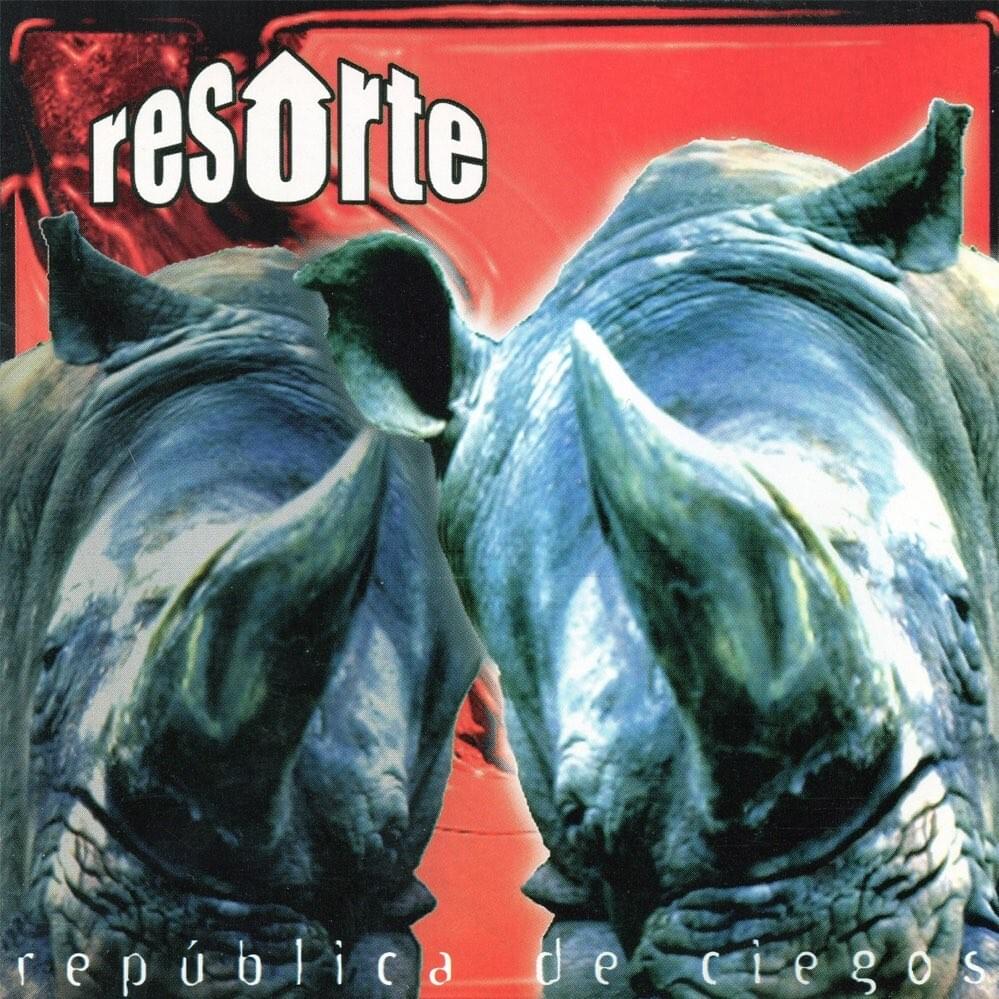
 View Artist