Song Meaning
The lyrics paint a vivid dreamscape where the narrator embodies a "mountain lion" on the Caucasus, issuing a "man's call" that excludes his beloved from the ensuing dance. This initial scene establishes a stark contrast between a primal, masculine assertion and a tender, domestic plea, setting up a core tension.
The central conflict emerges from the recurring image of dancing in Chechnya with his "brother," armed by their father. This ritualistic dance, steeped in familial duty and martial readiness, clashes with the narrator's desperate, almost pleading, request to his beloved: "Don't be Russia and don't refuse me / Your body." The lyrics suggest a profound internal struggle between inherited martial identity and a yearning for intimate connection, a desire he frames as a final, urgent request.
The most striking craft element is the juxtaposition of violence and intimacy. The narrator's saber "cuts off rose petals / Without hesitation," a brutal image softened by the delicate object it destroys. This is mirrored in his plea for his beloved's body, which he asks her to grant "as custom dictates," a phrase that carries both a sense of tradition and a potentially coercive intimacy. The repetition of "In Chechnya I dance a dance with my brother / Father gave us a gun" acts as a grounding, almost hypnotic, refrain that underscores the inescapable nature of this martial heritage.
These lyrics hit hard because they articulate a deep-seated conflict between duty and desire, tradition and personal connection. The narrator's dream of being a powerful, solitary predator is immediately undercut by the familial and martial obligations that define his waking reality. The final, desperate plea, "Embrace me as custom dictates / Only be mine," is rendered profoundly poignant by the preceding images of combat and the grim inheritance passed down from father to son, suggesting that even in the face of impending death, the most profound battle is for human connection.
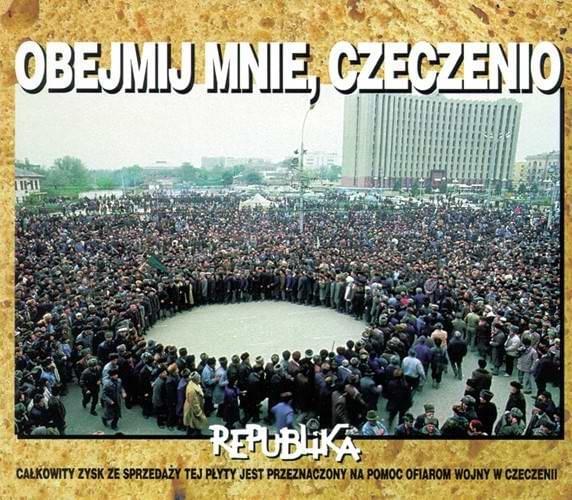
 View Artist